
Viktor Stepanovich Grebennikov

REALM33
Directorate of Information Preservation and Archival
Subject Profile – File Extract
Name: Viktor Stepanovich Grebennikov
Date of Birth: April 23, 1927 (Simferopol, Crimea, USSR)
Known Aliases: “The Levitator”, “Insect Architect”, “Beetle Flight Pioneer”, “███████“
Nationality: Russian (formerly Soviet)
Occupation: Entomologist, Naturalist, Artist, Paranormal Researcher, Inventor, Founder of Museum of Agroecology and Environmental Protection
Net Worth: Estimated modest; no public figures available due to Soviet-era background and posthumous status (deceased)
Current Residence: Deceased (April 10, 2001, Novosibirsk, Russia)

Fig. 1 – Subject Grebennikov, working on insect painting (date unknown)
Early Life and Education
Born on April 23, 1927, in Simferopol, Crimea, then part of the USSR, Viktor Stepanovich Grebennikov was the son of a noblewoman mother from an aristocratic background and a mechanic father with practical engineering skills. His early years were marked by the tumultuous post-revolutionary Soviet era, including the impacts of collectivization and World War II, which influenced his resilient and inquisitive nature. From a young age, Grebennikov exhibited a profound fascination with the natural world, particularly insects, spending countless hours observing beetles, bees, and other fauna in the diverse ecosystems of Crimea. This early exposure to biodiversity sparked his lifelong passion for entomology and natural sciences. Although formal education records are sparse due to Soviet archival practices, he pursued self-directed studies in biology, entomology, and related fields, supplemented by practical experience. By the 1950s, after relocating to Siberia, he secured a position as a junior researcher at the Research Institute of Soil Management and Chemicalization of Agriculture in Krasnoobsk, where he honed his expertise in agroecology and insect behavior through hands-on fieldwork and laboratory analysis.

Fig. 2 – Simferopol, Crimea – Birthplace of Grebennikov
Background
Grebennikov’s professional career was primarily centered in Krasnoobsk, Siberia, where he served as an entomologist and researcher at the Research Institute of Soil Management and Chemicalization of Agriculture. In 1976, he established the Museum of Agroecology and Environmental Protection, a unique institution dedicated to showcasing the intricate relationships between insects, agriculture, and ecosystems, featuring exhibits of insect specimens, micro-sculptures, and educational displays on conservation. His early work focused on conventional entomology, including studies on bee pollination, pest management in crops, and the ecological roles of insects in soil health. However, by the late 1980s, Grebennikov’s research took a dramatic turn toward the paranormal following his alleged discovery of the “Cavity Structural Effect” (CSE) in the chitinous structures of insect wings, particularly those of beetles. He claimed this effect produced anti-gravity fields, enabling levitation and other anomalous phenomena. These assertions were elaborated in his self-published book “My World” (1997), where he described constructing and piloting a levitation platform powered by beetle wing casings, reportedly achieving flights over vast distances in the Russian countryside. Realm33 files speculate that this shift from mainstream science to esoteric claims may have served as a protective narrative for potentially suppressed advanced technologies derived from natural bio-structures, amid the backdrop of late Soviet scientific censorship and post-Cold War intrigue.

Fig. 3 – Novosibirsk, Siberia (modern) – Site of Grebennikov’s later work
Known Activities
- Founded the Museum of Agroecology and Environmental Protection in 1976, which served as a hub for insect conservation education and housed unique exhibits like insect-based artworks and ecological models.
- Conducted extensive fieldwork on bee behavior and pollination, contributing to Soviet agricultural practices through publications on agroecology.
- Claimed discovery of the Cavity Structural Effect (CSE) in 1988 while examining the micro-structures of beetle wing casings under a microscope, alleging it generated anti-gravity and bio-energy fields.
- Developed and reportedly tested a levitation platform between 1988 and 1991, constructed from wood and incorporating arrays of beetle chitin to harness CSE, enabling silent, high-speed flights without conventional propulsion.
- Granted Russian patent RU 2061509 in 1995 for a therapeutic device utilizing dry beehive honeycomb structures to amplify the effects of medicinal substances through alleged bio-field interactions.
- Experimented with purported invisibility cloaks and time-dilation effects derived from nested insect structures, claiming distortions in perception and mechanical devices like cameras during flights.
- Created artistic works including detailed insect illustrations, micro-sculptures made from insect parts, and paintings that blended scientific accuracy with aesthetic expression.
- Advocated for environmental protection in Soviet-era journals and lectures, emphasizing the role of insects in maintaining ecological balance and warning against pesticide overuse.
- Documented anomalous phenomena such as pain relief and healing effects from exposure to insect nests, integrating these into his broader theories on natural energy fields.
Notable Connections
Although Grebennikov operated largely independently, his work has been referenced by paranormal researchers such as Brian Snellgrove, who cited his CSE discoveries in books on Kirlian photography, auras, and bio-energetics published in 1996 and 2011. His ideas have influenced alternative science communities, including ufologists and free energy proponents, with echoes in discussions of bio-mimicry and unconventional propulsion systems. Realm33 documentation indicates potential overlaps with Soviet-era classified projects on bio-fields and psychotronics, possibly linking him to institutes involved in anomalous phenomena research during the Cold War. Posthumously, his theories have been explored by modern figures in anti-gravity studies, such as those in optomechanics and quantum biology, and have inspired DIY experimenters in online forums. Connections to broader narratives include speculative ties to Tesla-inspired energy research and natural anti-gravity technologies, though no direct collaborations are confirmed.

Fig. 4 – Grebennikov (date unknown)
Psychological Profile
Realm33 psychological evaluations depict Grebennikov as a visionary eccentric with a unique blend of empirical scientific methodology and mystical intuition, driven by an obsessive curiosity about nature’s hidden mechanisms. His deep immersion in insect studies suggests a holistic, almost spiritual worldview, perceiving insects as gateways to undiscovered physical laws rather than mere biological entities. Skeptics have labeled him delusional or prone to confabulation, particularly regarding unverified claims of flight and time-warping, but supporters highlight the meticulous detail in his observations and patents as evidence of genuine insight. Following his CSE discovery, Grebennikov displayed increasing reclusiveness and paranoia, possibly stemming from perceived institutional suppression or isolation from mainstream academia. His fascination with levitation and invisibility may reflect a profound desire to transcend human physical limitations, akin to archetypal inventor archetypes, compounded by the intellectual constraints of Soviet society.
Philanthropy & Influence
Unlike traditional philanthropists, Grebennikov’s contributions were primarily intellectual and educational, channeled through his museum and writings to promote environmental awareness and insect conservation. His advocacy for agroecology influenced Soviet and post-Soviet farming practices, emphasizing sustainable methods that integrated insect roles in ecosystems. The CSE claims have sparked a niche but dedicated following in alternative science, inspiring experiments in bio-inspired anti-gravity and energy devices among enthusiasts worldwide. Posthumously, “My World” has been translated into multiple languages, fostering discussions on biomimicry in fields like aerospace and materials science. Realm33 notes his potential for paradigm-shifting innovations, such as insect-derived metamaterials for propulsion, though mainstream dismissal has limited broader impact. His legacy endures in fringe communities, where his work is seen as a blueprint for harnessing nature’s “secrets” for human advancement.
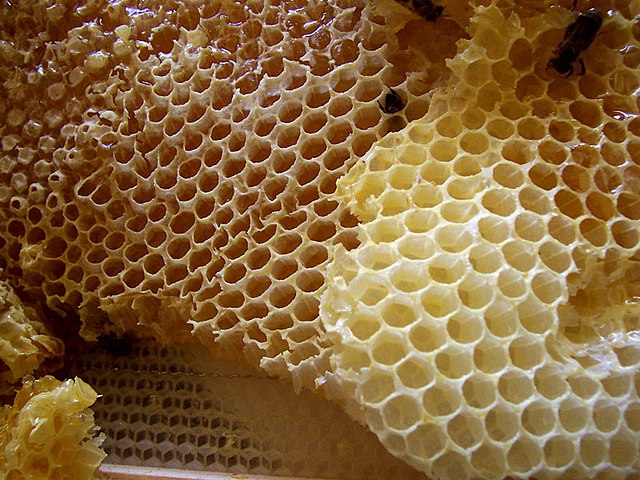
Fig. 5 – Beehive structure, similar to Grebennikov’s patent (modern)
Controversies
- Levitation and anti-gravity claims dismissed by the scientific community for absence of empirical evidence, repeatable experiments, or public demonstrations, often categorized as pseudoscience.
- Allegations of time-warping, invisibility, and bio-field effects from insect structures criticized as unsubstantiated or potentially hallucinatory experiences.
- The 1995 patent for a beehive-based therapeutic device questioned for lacking rigorous clinical trials or peer-reviewed validation of its claimed medicinal enhancements.
- Self-published “My World” accused of blending factual entomology with fictional narratives, raising doubts about the veracity of his flight accounts.
- Posthumous debates on possible government suppression of his work versus inherent unprovability, fueled by conspiracy theories in alternative media.
- Ethical concerns over the use of dead insects in experiments, though minimal compared to broader animal research practices.
- Accusations of misleading the public with unverified technologies, potentially diverting attention from legitimate scientific pursuits.
Recent Developments (2025)
Throughout 2025, interest in Grebennikov’s work has surged in digital media, with a notable YouTube documentary released on August 25 exploring his anti-gravity discoveries and their implications for modern physics. Discussions on platforms like LinkedIn (July article on anti-gravity breakthroughs) and Facebook (September post questioning why his scarab beetle findings were dismissed as pseudoscience) highlight renewed scrutiny amid advances in optomechanics and bio-mimicry. A February podcast episode on “Abnormal Spaces” delved into his beetle wing experiments, while Realm33 monitors emerging attempts to replicate CSE using 3D-printed chitin analogs and quantum field theories. Speculation ties his ideas to contemporary research in metamaterials and light-driven propulsion, with some analysts suggesting partial validation through recent studies on insect wing microstructures. Despite ongoing skepticism, his legacy is revitalizing debates on nature-inspired technologies for sustainable energy and flight.
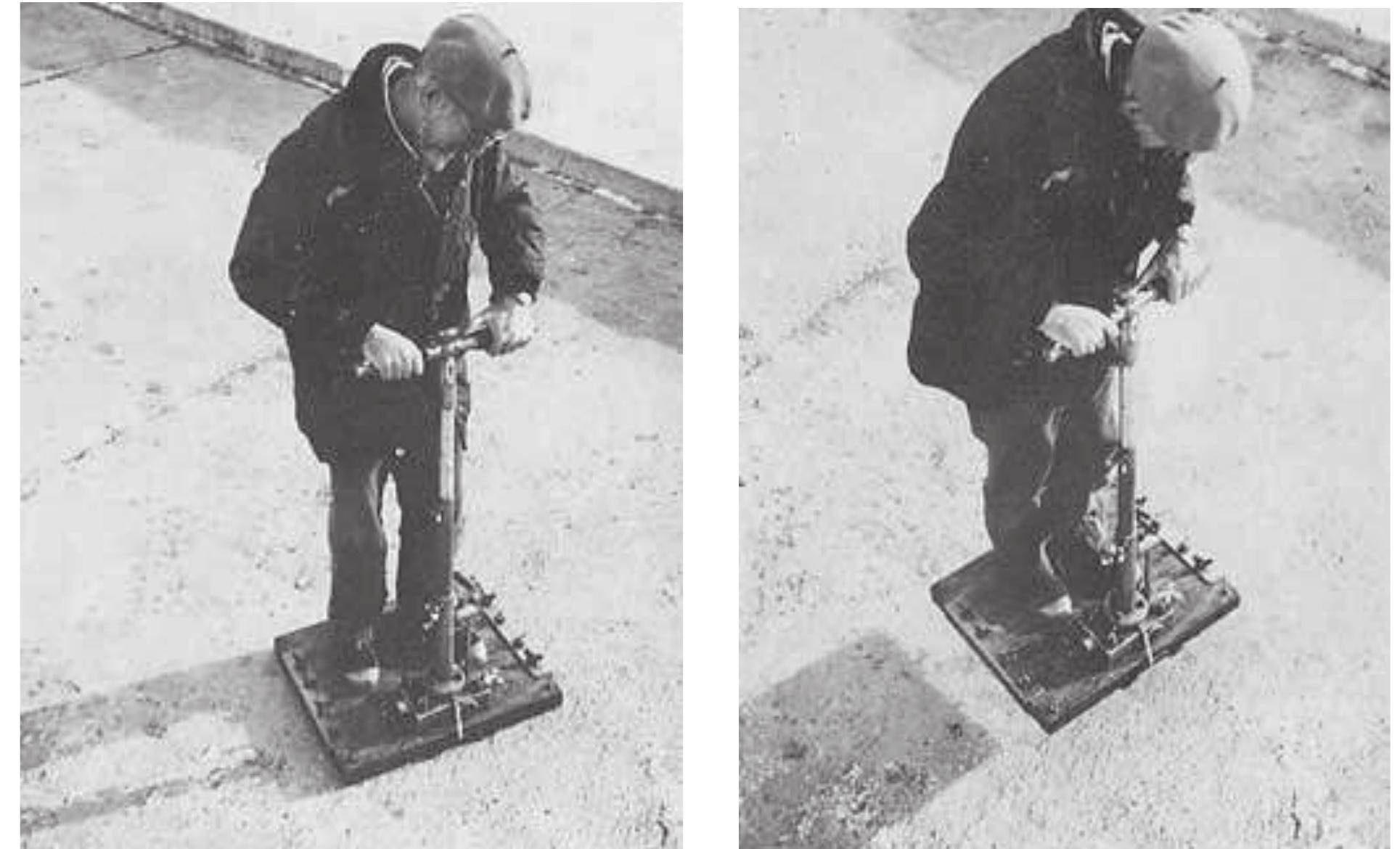
Fig. 6 – Illustration of Grebennikov’s levitation platform (artist rendering)
Public Speculations and Linked Narratives
Realm33 archives extensively catalog speculative theories circulating in alternative media and online forums, often intertwining Grebennikov’s claims with broader conspiratorial frameworks:
- Theory that CSE originated from reverse-engineered Soviet anti-gravity programs, possibly linked to WWII-era captured technologies.
- Alleged connections to extraterrestrial or UFO-derived knowledge, positing insects as bio-engineered artifacts harboring alien propulsion secrets.
- Influence on classified modern bio-mimicry projects, with his work purportedly hidden in black-budget research by agencies like DARPA or Roscosmos.
- Claims of deliberate government cover-ups to suppress free energy technologies, explaining the lack of mainstream scientific engagement.
- Links to ancient knowledge narratives, suggesting Grebennikov rediscovered lost principles from civilizations like Atlantis or ancient Egypt.
- Speculation on health impacts, with some attributing his 2001 death to exposure to CSE fields or targeted suppression.
These unverified narratives persist and evolve, amplified by Grebennikov’s detailed patents and accounts, intersecting with disinformation trends in pseudoscience communities.
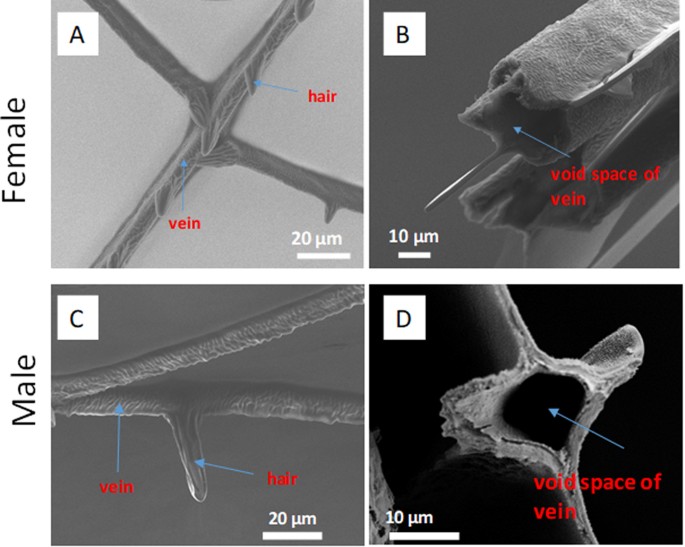
Fig. 7 – Illustration of insect wing structure (related to CSE)
Status
Subject deceased since April 10, 2001, yet his intellectual footprint endures prominently in fringe and alternative science domains. Under ongoing Realm33 archival surveillance due to “potential paradigm-shifting discoveries” and their relevance to emerging technologies. Legacy exhibits signs of revival in 2025 discourse, with increasing cross-pollination into mainstream biomimicry research. Recommended classification: VISIONARY OUTLIER – BETA PRIORITY.
References
- Biography: Wikipedia – Viktor Grebennikov (Accessed December 02, 2025)
- Book: “My World” by Viktor Grebennikov (1997)
- Patent: RU Patent 2061509 (1995)
- Controversies: Reddit Discussion on Grebennikov (2022, archived 2025)
- Recent Developments: YouTube – When Viktor Grebennikov Discovered Nature’s Anti-Gravity Secret (August 2025)
- Influence: LinkedIn – Anti-Gravity Technology (July 2025)
- Speculations: Scribd – Anti-Gravity Technology Hidden in Nature
- Podcast: Irish Podcasts – Abnormal Spaces: Viktor Grebennikov (February 2025)
- Anti-Gravity Platform Details: Academia.edu – An Anti-Gravity Platform of V.S. Grebennikov
Last updated: December 02, 2025.


