
The Electroverse

REALM33
Directorate of Information Preservation and Archival
Subject Profile – File Extract
Name: Electroverse
Date of Origin: 2018
Known Aliases: “Grand Solar Minimum Watch”, “Earth Changes Documenter”, “███████“
Scope: Global Climate Discussion Platform
Classification: Online Platform Focusing on Solar Activity and Climate Patterns
Influence Level: Moderate in Alternative Climate Communities
Current Status: Active Website and Substack Publication

Fig. 1 – Sun in X-Ray, Symbolic of Solar Activity Focus (Public Domain)
Origins and Historical Roots
Electroverse was founded in 2018 by Cap Allon, an individual interested in solar cycles and their potential impact on Earth’s climate. The platform emerged during a period of increasing online discussion about alternative climate perspectives, coinciding with reports of solar minimum conditions. Allon has described the site as a means to document “Earth changes during the next Grand Solar Minimum,” drawing from historical concepts of solar variability influencing weather patterns. Roots trace to 19th-century observations of sunspot cycles by astronomers like Samuel Schwabe and Rudolf Wolf, and 20th-century studies on Maunder Minimum (1645-1715), a period of low solar activity associated with the Little Ice Age. The site’s approach echoes earlier alternative climate views, such as those in the 1970s predicting global cooling, and incorporates data from sources like NASA and NOAA while interpreting them through the lens of solar-driven climate change. By 2020, Electroverse expanded to Substack, allowing for subscription-based content delivery, and has since published hundreds of articles on weather anomalies, solar data, and critiques of mainstream climate models.

Fig. 2 – Sunspots During Solar Cycle (2011)
Background
Electroverse serves as a repository for information on solar activity, weather events, and climate trends, emphasizing the role of the Sun in driving Earth’s climate variations. The platform argues that current low solar activity signals an impending period of global cooling, potentially akin to historical minima. Articles often highlight cold weather records, crop failures, and solar data, suggesting these indicate a shift away from warming trends. The site’s narrative posits that mainstream climate science overemphasizes human-induced CO2 while underplaying natural solar forcings. Content includes daily updates on extreme weather, solar flares, and geomagnetic storms, sourced from public data like space weather reports and meteorological agencies. Critics, including fact-checking organizations, have categorized it as promoting climate misinformation by selectively presenting data that contradicts consensus views on anthropogenic warming. Supporters view it as a counterbalance to dominant narratives, providing alternative interpretations. Realm33 files note its growth during events like the 2021 Texas freeze or 2024 Antarctic cold snaps, which the site links to solar cycles.

Fig. 3 – Maunder Butterfly Diagram of Sunspots
Alleged Activities
- Daily weather reporting: Documenting cold snaps, snowfalls, and freezes worldwide, often contrasting with warming predictions.
- Solar monitoring: Tracking sunspot numbers, cosmic rays, and geomagnetic indices to argue for cooling influences.
- Critiques of data adjustments: Questioning revisions to temperature records by agencies like NOAA.
- Historical comparisons: Linking current events to past minima like Dalton or Maunder for predictive purposes.
- Agricultural impacts: Highlighting crop losses due to cold, suggesting implications for food security.
- Community engagement: Encouraging reader submissions and discussions on climate patterns.
- Monetization: Offering paid subscriptions on Substack for exclusive content and analysis.
- External collaborations: Sharing content from similar platforms or guest posts on solar topics.
Notable Connections
Primary author: Cap Allon, who maintains the site and Substack. Connections to solar physicists like Valentina Zharkova, whose work on solar dynamos is cited, though she has distanced from extreme interpretations. Links to sites like Climate Change Dispatch or No Tricks Zone, sharing similar views. The platform references data from NASA, NOAA, and space weather sites, while critiquing their conclusions. Ties to Patreon for funding, where alternative climate views are supported. Broader associations with grand solar minimum proponents and communities discussing pole shifts or cosmic rays. Critics include Media Bias Fact Check and Science Feedback, which analyze its content.

Fig. 4 – Solar Cycle Prediction Graph
Ideological Profile
Electroverse presents a viewpoint centered on natural climate variability, emphasizing solar and cosmic influences over human activities. It appeals to those interested in alternative explanations for weather events, often portraying mainstream science as alarmist or agenda-driven. The platform’s tone is informative and data-focused, using graphs and reports to support its narratives. Readers may include farmers, weather enthusiasts, and skeptics of global warming policies. Assessments vary: some see it as a valuable counterperspective, while others view it as selective in data presentation.
Influence and Spread
The site has grown through social media sharing and Substack subscriptions, reaching audiences interested in climate alternatives. Content is disseminated via Facebook, Twitter, and forums, with articles often cited in discussions on solar minima. Influence includes raising awareness of solar cycles among non-experts, though limited by its niche focus. Spread accelerated during unusual weather events, like 2023’s Antarctic cold or U.S. freezes, which the site uses to illustrate points. Funding from Patreon and subscriptions supports operations, with thousands in monthly contributions reported in some analyses.

Fig. 5 – Global Temperature Anomaly Graph
Controversies
- Data interpretation: Debates over whether site cherry-picks cold events while ignoring warming trends.
- Scientific alignment: Claims do not match consensus on CO2’s role, leading to misinformation labels.
- Funding sources: Reliance on donations from denial communities raises bias questions.
- Predictions: Forecasts of cooling have been scrutinized against observed temperatures.
- Platform policies: Content moderation on social media affecting visibility.
Recent Developments (2025)
As of 2025, Electroverse continues publishing on events like Antarctic freezes and solar activity lows. Recent articles discuss NOAA data revisions and hurricane seasons, maintaining focus on natural drivers. The Substack has expanded with more subscriber interactions.

Fig. 6 – Symbolic Climate Data Sheet
Public Speculations and Linked Narratives
Narratives include:
- Solar minima as primary climate driver, potentially leading to cooling.
- Critiques of anthropogenic warming models as overstated.
- Links to historical cold periods for future predictions.
- Discussions on cosmic rays and geomagnetic effects.
These reflect ongoing debates in climate discourse.
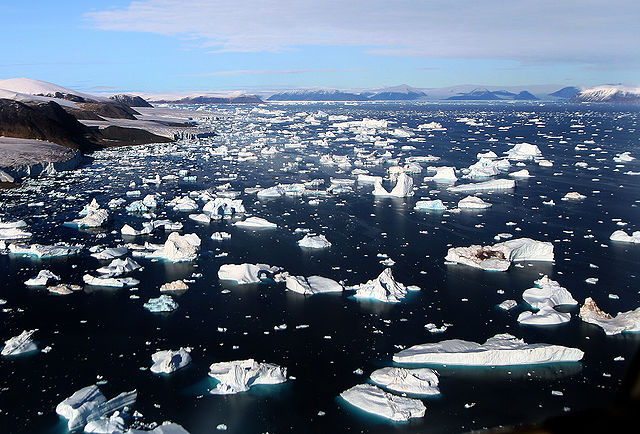
Fig. 7 – Illustration of Climate Narratives
Status
Active platform providing alternative climate views. Under ongoing observation for information trends. Recommended classification: CLIMATE ALTERNATIVE – LAMBDA.
References
- Electroverse Website: Electroverse.info
- Electroverse Substack: Electroverse Substack
- Media Bias Fact Check: Electroverse Bias and Credibility
- Science Feedback: Electroverse Article Review
- VICE: Patreon Funding Climate Deniers
- Facebook Post: Electroverse Links
- RealClimate: Laschamps Discussion
- Counterhate: Stop Funding Misinformation
- Electroverse Community: Electroverse Community
- Facebook Video: Electroverse Video
Last updated: September 25, 2025.


