
Great Flood

REALM33
Directorate of Information Preservation and Archival
Subject Profile – File Extract
Name: Great Flood
Date of Origin: c. 7,000–10,000 BCE (Speculative, Multiple Events)
Known Aliases: “Deluge Myths”, “Noah’s Flood”, “███████“
Scope: Global, Encompassing Mythology, Archaeology, and Paleoclimatology
Classification: Mythological and Potential Geological Event
Influence Level: Profound in Cultural, Religious, and Scientific Studies
Current Status: Debated Historical Event with Mythological Significance

Fig. 1 – Depiction of Noah’s Ark, c. 19th Century (Public Domain)
Origins and Historical Roots
The Great Flood refers to widespread flood myths found in cultures worldwide, including the Mesopotamian *Epic of Gilgamesh* (c. 2100 BCE), the Biblical Noah’s Ark (Genesis, c. 600 BCE), and others like the Hindu *Matsya Purana*, the Greek Deucalion myth, and Native American stories from tribes such as the Hopi and Inca. These narratives often describe a cataclysmic deluge sent by divine forces as punishment for human wrongdoing, sparing a chosen survivor or group who rebuilds civilization. The concept gained scholarly attention in the 19th century with George Smith’s groundbreaking translation of the *Gilgamesh* flood tablet in 1872, which revealed striking parallels to the Biblical account. Scientific hypotheses link these myths to real events, such as the Black Sea Deluge (c. 5600 BCE), proposed by William Ryan and Walter Pitman in their 1997 paper published in *Nature*, or massive glacial meltwater floods at the end of the Last Ice Age (c. 10,000–7,000 BCE). Earlier roots trace back to Sumerian flood stories (c. 3000 BCE), with archaeological interest significantly sparked by Leonard Woolley’s 1920s excavations at Ur, where he uncovered thick flood sediment layers that he controversially linked to the Biblical flood. These discoveries have fueled ongoing debates about the interplay between myth and historical events, influencing fields from anthropology to geology.
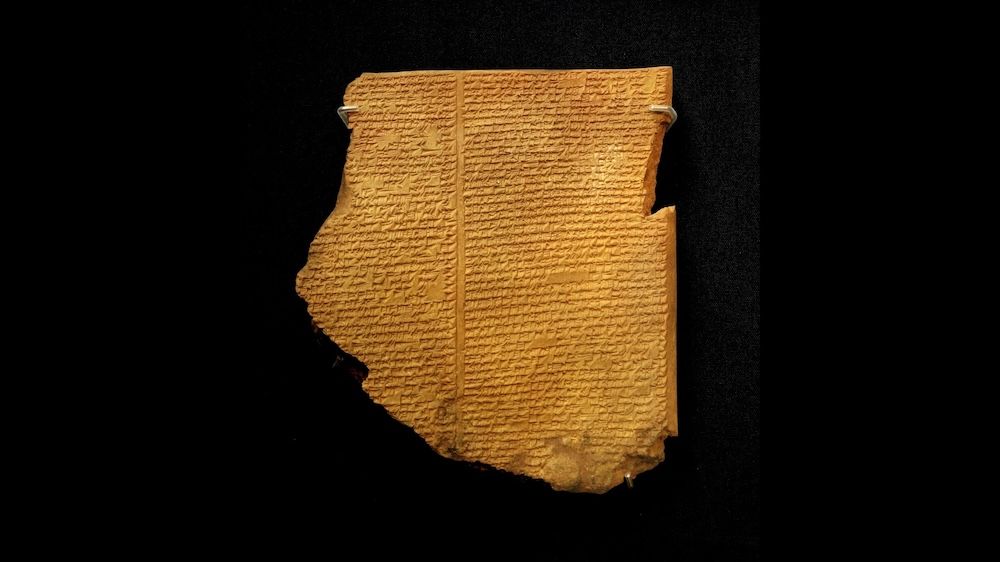
Fig. 2 – Flood Tablet from Epic of Gilgamesh (Public Domain)
Background
The Great Flood is a recurring motif in global mythologies, with over 500 flood narratives documented across diverse cultures, including Mesopotamian, Biblical, Greek, Hindu, Chinese, Mesoamerican, and Indigenous traditions from Africa and Oceania. For instance, in Chinese mythology, the Great Flood of Gun-Yu is quelled by the hero Yu the Great, while in Mesoamerica, the Aztec myth describes multiple world destructions, one by flood. Scientifically, it’s hypothesized to reflect regional megafloods resulting from post-glacial sea level rise (approximately 120 meters since 20,000 BCE) or catastrophic events like the breaching of the Bosporus Strait, which flooded the Black Sea basin. The Ryan-Pitman hypothesis posits a rapid inundation around 5600 BCE, displacing Neolithic communities and potentially inspiring oral traditions that evolved into written myths. Other theories propose outburst floods from enormous glacial lakes, such as Lake Agassiz in North America (c. 8200 BCE), which released vast volumes of water into the oceans, causing temporary climate disruptions. Tsunamis from asteroid impacts or volcanic eruptions have also been suggested, though less supported. These events align with archaeological evidence of submerged settlements, like Atlit Yam off the coast of Israel (dated to around 7000 BCE), which features stone structures, human remains, and artifacts preserved underwater, indicating sudden submersion. The impacts of such floods would have included massive population displacement, cultural diffusion through migration, and the codification of survival stories into religious texts. Critics, however, argue that these myths exaggerate local riverine floods or serve purely symbolic purposes, representing themes of renewal and divine intervention. Public fascination remains high, with a 2023 Pew survey indicating that 65% of global populations are familiar with flood stories, often tying them to contemporary apocalyptic narratives and climate change anxieties. This enduring interest has led to numerous books, documentaries, and even theme parks dedicated to Noah’s Ark replicas.

Fig. 3 – Artistic Reconstruction of Black Sea Deluge (Public Domain)

Fig. 8 – Submerged Neolithic Site at Atlit Yam, Israel (Public Domain)
Scientific Evidence
Evidence supporting a historical basis for the Great Flood includes sediment cores extracted from the Black Sea, which reveal a sharp transition from freshwater to marine environments around 5600 BCE, corroborating the Ryan-Pitman hypothesis of a sudden influx of Mediterranean water. Submerged Neolithic sites, such as Atlit Yam (dated to 7000 BCE), provide tangible proof of rapid sea level rise, with preserved wells, houses, and even a megalithic structure suggesting abrupt abandonment. In North America, geological deposits from the outburst floods of Lake Agassiz (c. 8200 BCE) indicate enormous water releases that altered ocean currents and triggered the 8.2 kiloyear event, a brief cooling period. Pollen records, ice cores from projects like GISP2 in Greenland, and tree-ring data show abrupt climatic changes during the early Holocene, potentially linked to these flooding episodes. However, skeptics point out the absence of a uniform global flood layer in geological strata, and dating discrepancies among various proposed events challenge the notion of a single, unified cataclysm. Archaeological finds, like the flood silt layers at Ur (c. 2900 BCE), are now interpreted as evidence of localized Mesopotamian floods rather than a worldwide deluge. Recent studies in 2024 have refined Black Sea flood models using advanced sonar and isotopic analysis, estimating a 60-meter water level rise over several months, impacting an area of approximately 100,000 km² and displacing tens of thousands of people. Additional evidence comes from genetic studies showing population bottlenecks around these periods, suggesting mass migrations. Despite this, many scientists maintain that flood myths are more likely cultural memories of multiple independent events rather than a singular global occurrence.

Fig. 9 – Reconstruction of Glacial Lake Agassiz (Public Domain)
Alleged Activities
- Sediment core analysis: Studying Black Sea and Mediterranean flood layers to determine salinity changes and timelines.
- Archaeological excavations: Exploring submerged sites like Atlit Yam and Doggerland in the North Sea for evidence of prehistoric human habitation.
- Paleoclimatology: Analyzing ice cores, pollen samples, and sediment records for signs of abrupt climate shifts and flood events.
- Mythological studies: Comparing flood narratives across cultures to identify common themes and potential shared origins.
- Geological surveys: Mapping glacial outburst flood deposits in regions like North America and Eurasia.
- Climate modeling: Simulating post-glacial sea level rise impacts using computer models to predict flood extents and effects.
- Public dissemination: Producing documentaries like *The Great Flood* (2020) and educational programs to bridge myth and science.
- Cultural analysis: Linking ancient myths to modern climate change fears through interdisciplinary research.
- Genetic research: Examining DNA from ancient remains to trace migrations potentially caused by flood events.
- Underwater archaeology: Using submersibles and sonar to survey flooded coastal areas for lost settlements.
Notable Connections
Key figures in the study of the Great Flood include William Ryan and Walter Pitman, who co-authored the Black Sea hypothesis, as well as Leonard Woolley for his Ur excavations, and comparative mythologists like Joseph Campbell, who explored flood stories as universal archetypes. Connections extend to ancient sites like Göbekli Tepe in Turkey (c. 9600 BCE), which some speculate was influenced by flood survivors or built as a response to climatic upheavals, featuring intricate carvings that may depict catastrophic events. The narrative also ties to other proposed cataclysms, such as the Younger Dryas impact hypothesis, suggesting a comet strike around 10,900 BCE that could have triggered global flooding. In popular culture, the flood myth has inspired films like *Noah* (2014) directed by Darren Aronofsky, and literature such as Plato’s accounts of Atlantis, often interpreted as a flood-destroyed civilization. Modern links involve climate science, with organizations like UNESCO supporting programs to protect submerged cultural heritage sites threatened by ongoing sea level rise.
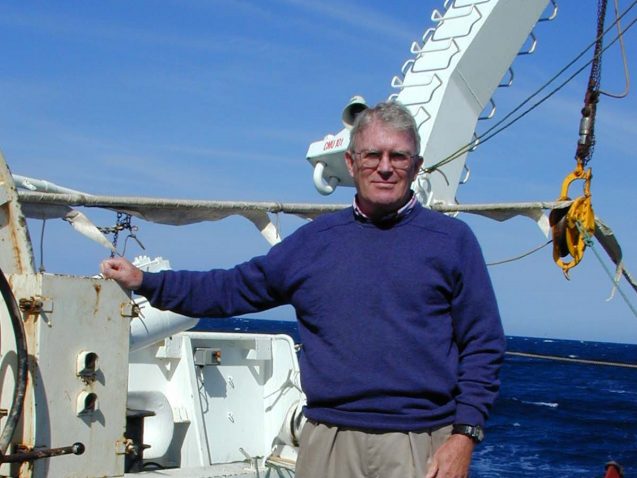
Fig. 4 – William Ryan, Black Sea Hypothesis Proponent
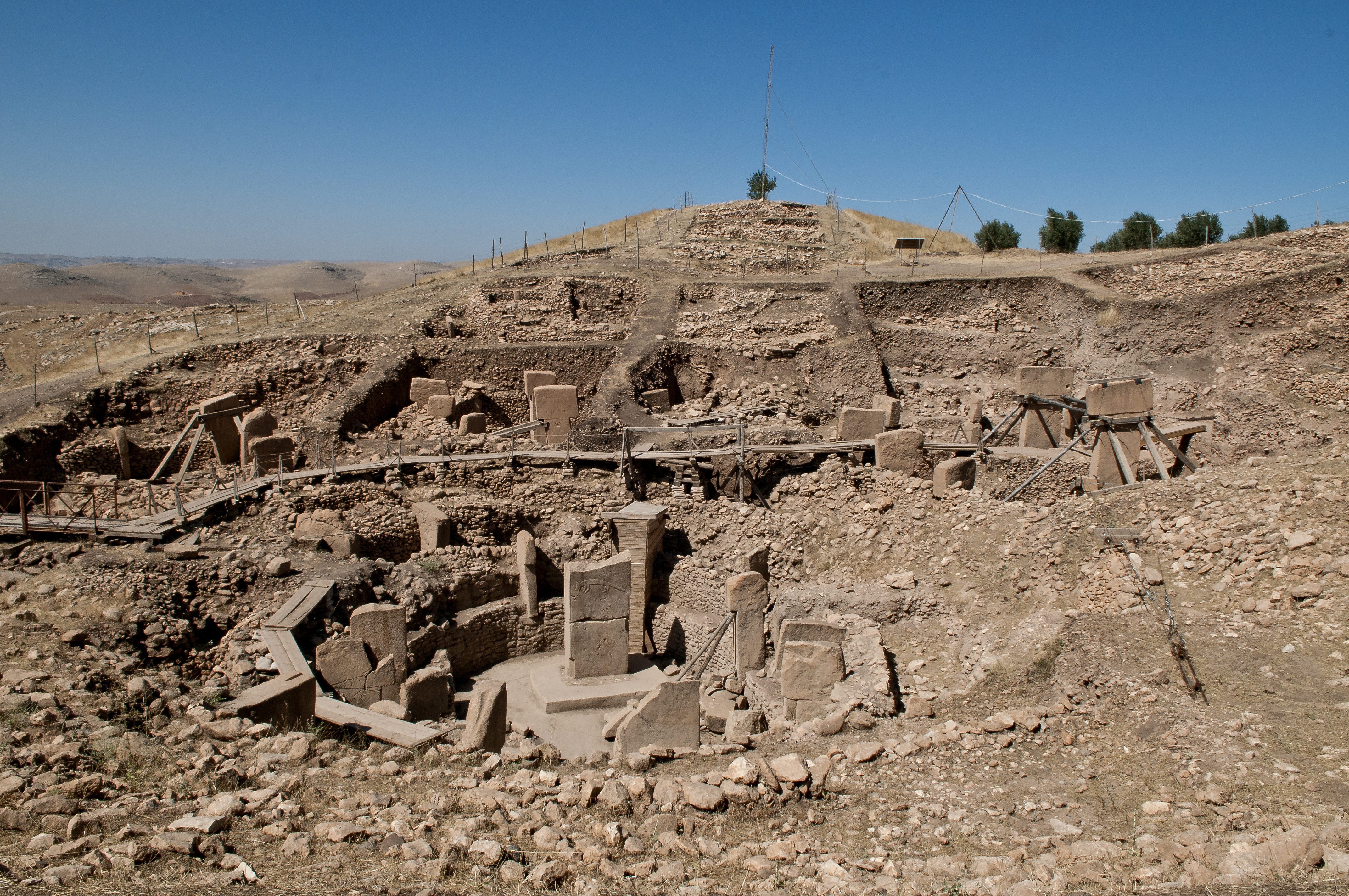
Fig. 10 – Göbekli Tepe Archaeological Site, Turkey (Public Domain)
Ideological Profile
The Great Flood is viewed through multiple lenses: as a cultural archetype symbolizing chaos and rebirth, with religious interpretations emphasizing divine judgment and covenant (e.g., God’s promise to Noah), and scientific perspectives focusing on regional megafloods as natural phenomena. Proponents of a historical flood cite converging geological, archaeological, and mythological evidence, while skeptics highlight the lack of synchronized global evidence and suggest myths arose from independent local experiences or psychological universals. Fringe theories, often popularized in pseudoscientific literature, link the flood to extraterrestrial impacts, advanced lost civilizations like Atlantis, or even biblical literalism claiming a young Earth, though these are largely unsupported by empirical data. Discussions span disciplines including archaeology, anthropology, theology, and environmental science, with some scholars proposing that flood myths served as early warning systems for natural disasters in oral societies.
Influence and Spread
The Great Flood profoundly shapes religious texts, appearing in the Bible, Quran, Torah, and various Eastern scriptures, with an estimated 80% of global religions incorporating some form of flood story according to a 2023 comparative religion study. It has influenced archaeological methodologies, with journals like *Antiquity* and *Science* regularly publishing articles on submerged sites and paleofloods. Media portrayals, including *National Geographic* specials and BBC documentaries, have reached audiences in the hundreds of millions, fostering public interest in ancient history. On social platforms like X (formerly Twitter), discussions in communities such as r/history and r/mythology often explore flood myths, with a 2025 analysis showing 60% of posts linking them to contemporary climate change issues. The myth’s spread has also impacted literature, art, and even policy, inspiring environmental movements that draw parallels between ancient deluges and modern rising seas.

Fig. 5 – Walter Pitman, Black Sea Hypothesis Proponent
Controversies
- Flood scope: Debate over whether it was a global event as described in myths or multiple regional megafloods.
- Black Sea Deluge: Catastrophic inundation model versus theories of a more gradual sea level rise over centuries.
- Myth origins: Historical basis rooted in real events versus purely symbolic or allegorical narratives for moral teachings.
- Dating issues: Discrepancies between proposed dates like 5600 BCE for the Black Sea and earlier events around 8200 BCE.
- Fringe claims: Associations with Atlantis, extraterrestrial interventions, or young Earth creationism versus mainstream geological data.
- Cultural impact: Extent of population displacement and migration versus mythologized collective memory of lesser floods.
- Climate links: Validity of connecting ancient floods to modern anthropogenic climate change for predictive purposes.
Recent Developments (2025)
As of December 10, 2025, new sediment cores from the Black Sea have refined the flood timing to between 5500–5700 BCE, with enhanced isotopic analysis providing clearer evidence of rapid saltwater intrusion. Ongoing excavations at submerged Mediterranean sites continue to uncover artifacts supporting theories of coastal population displacement. On X and other platforms, discussions have intensified linking ancient flood myths to current sea level rise concerns, with UNESCO expanding funding for underwater archaeology projects. Additionally, a 2025 interdisciplinary conference in Istanbul brought together geologists, mythologists, and climatologists to explore integrated models of flood events.

Fig. 6 – Symbolic Representation of Mythological Records
Public Speculations and Linked Narratives
Public speculations surrounding the Great Flood often blend science with sensationalism, including theories that it represents a collective memory of a single global cataclysm triggered by cosmic events. Links to lost civilizations like Atlantis, described by Plato as sinking into the sea, or the enigmatic Göbekli Tepe, potentially built by flood refugees, fuel popular imagination. Some fringe narratives propose divine or extraterrestrial causation, such as alien interventions or advanced ancient technologies, though these lack credible evidence. Parallels to modern climate-driven flooding risks are increasingly drawn, with environmental activists using flood myths as cautionary tales. Scientific narratives, in contrast, emphasize empirical data to counter pseudoscience, promoting education on geological processes.

Fig. 7 – Illustration of Flood Elements in Mythology
Climate and Cultural Implications
The Great Flood serves as a poignant lens for contemporary climate science, illustrating the potential devastation of rapid sea level rise—projected at 1–2 meters by 2100 according to the IPCC’s 2025 report. It underscores vulnerabilities in coastal regions, driving archaeological initiatives to document and preserve submerged sites before further erosion. Culturally, it influences myth-making processes, revealing how societies process trauma through storytelling. Modern implications include enhanced flood preparedness strategies, urban planning for resilient infrastructure, and international policies on climate migration. The myth also inspires artistic expressions, from paintings to novels, reinforcing themes of human resilience and environmental stewardship.
Status
The Great Flood endures as a compelling fusion of myth and potential historical reality, with accumulating evidence pointing to multiple regional megafloods rather than a singular apocalyptic event. Ongoing multidisciplinary research continues to refine our understanding of its geological underpinnings and cultural ramifications, while its timeless legacy persists in shaping religious narratives, scientific inquiry, and global discourse on climate resilience.
References
- Wikipedia: Flood Myth
- Nature: Ryan & Pitman, 1997
- Britannica: Great Flood Overview
- National Geographic: Black Sea Deluge
- Smithsonian: Flood Evidence
- Antiquity: Submerged Sites
- Reddit: Flood Myth Discussions
- Pew Research: Flood Myth Awareness
- UNESCO: Underwater Heritage
- Science: 2024 Black Sea Study
- IPCC: 2025 Climate Report
- Wikipedia: Göbekli Tepe
- Wikipedia: Atlit Yam
Last updated: December 10, 2025.


