

REALM33
Directorate of Information Preservation and Archival
Subject Profile – File Extract
Name: The Lost Continent of Mu
Date of Origin: 1926 (Publication of James Churchward’s “The Lost Continent of Mu”)
Known Aliases: “Motherland of Man”, “Pacific Atlantis“, “Hiva Oa” (in some Polynesian contexts), “███████“
Scope: Global, with Focus on Pacific Ocean Prehistory and Pseudoarchaeology
Classification: Theories Alleging an Ancient Sunken Continent as the Cradle of Civilization
Influence Level: Significant in Occult Literature, Pseudoarchaeology, and New Age Communities
Current Status: Widely Debunked by Mainstream Science but Enduring in Fringe and Popular Discourses

Fig. 1 – Map Including Mythical Lost Continents Such as Mu (Illustrative)
Origins and Historical Roots
The concept of the lost continent of Mu originated in the late 19th century but was popularized in the 1920s by British-American author James Churchward. Churchward claimed to have discovered ancient clay tablets in India, translated by a priest, which described Mu as a vast Pacific continent that was the original home of humanity, flourishing around 50,000 years ago. His first book, “The Lost Continent of Mu: Motherland of Men” (1926), detailed this theory, drawing on alleged similarities in ancient symbols, myths, and architecture across Pacific cultures. Preceding influences include Augustus Le Plongeon’s 1870s interpretations of Maya ruins, where he proposed “Mu” as a name for a sunken land connected to Atlantis, based on mistranslations of the Troano Codex (later identified as the Madrid Codex).
The idea intersects with 19th-century scientific hypotheses like Lemuria, proposed by zoologist Philip Sclater in 1864 to explain lemur fossil distributions across India, Africa, and Madagascar, suggesting a sunken land bridge. Geologist Étienne Geoffroy Saint-Hilaire and others expanded this, but plate tectonics in the 1960s rendered it obsolete. Churchward conflated Mu with Lemuria, adding occult elements from Theosophy, influenced by Helena Blavatsky’s “root races.” Historical roots lie in colonial-era fascination with “lost civilizations,” fueled by discoveries like Troy and Machu Picchu, and pseudoscientific racial theories. Scholarly critiques, such as L. Sprague de Camp’s “Lost Continents” (1954), systematically debunked these claims, tracing them to misinterpretations and fabrications.
Ethnographic studies of pseudoarchaeology communities highlight how Mu theories satisfy desires for alternative histories, similar to Atlantis narratives, and persist through cultural diffusion in books, films, and online forums.

Fig. 2 – Illustrative World Map Depicting the Hypothetical Location of Mu
Background
At its core, theories about the lost continent of Mu posit it as an advanced prehistoric civilization in the Pacific Ocean, larger than South America, that sank due to cataclysmic events like volcanic eruptions or earthquakes around 12,000 years ago. Proponents like Churchward claimed Mu was home to 64 million people, with a technologically and spiritually superior society that originated agriculture, writing, and religion, spreading these to Egypt, India, and Mesoamerica via survivors. “Evidence” includes alleged linguistic similarities (e.g., “Mu” meaning “mother” in some languages), shared pyramid architectures, and Pacific island folklore of sunken lands.
Related strands include connections to Lemuria, sometimes used interchangeably, with occult claims of Mu/Lemuria as a home to ancient root races or extraterrestrial influences. In contrast, mainstream geology and archaeology dismiss Mu as pseudoscience. Plate tectonics explains continental drift without sunken continents; ocean floor mapping shows no evidence of large submerged landmasses in the Pacific. Linguistic and cultural similarities are attributed to common human migration patterns, such as Austronesian expansions, not a single lost source. Analyses of Churchward’s tablets reveal them as likely forgeries or misinterpretations, with no corroborating artifacts. The theories endure due to their romantic appeal and integration into New Age spirituality, but scientific consensus views them as unfounded, highlighting issues with confirmation bias and lack of empirical support.
Modern genetic studies, such as those on Polynesian origins, trace lineages to Southeast Asia without need for a sunken continent, further debunking the claims.

Fig. 3 – James Churchward’s Hypothetical Map of Mu
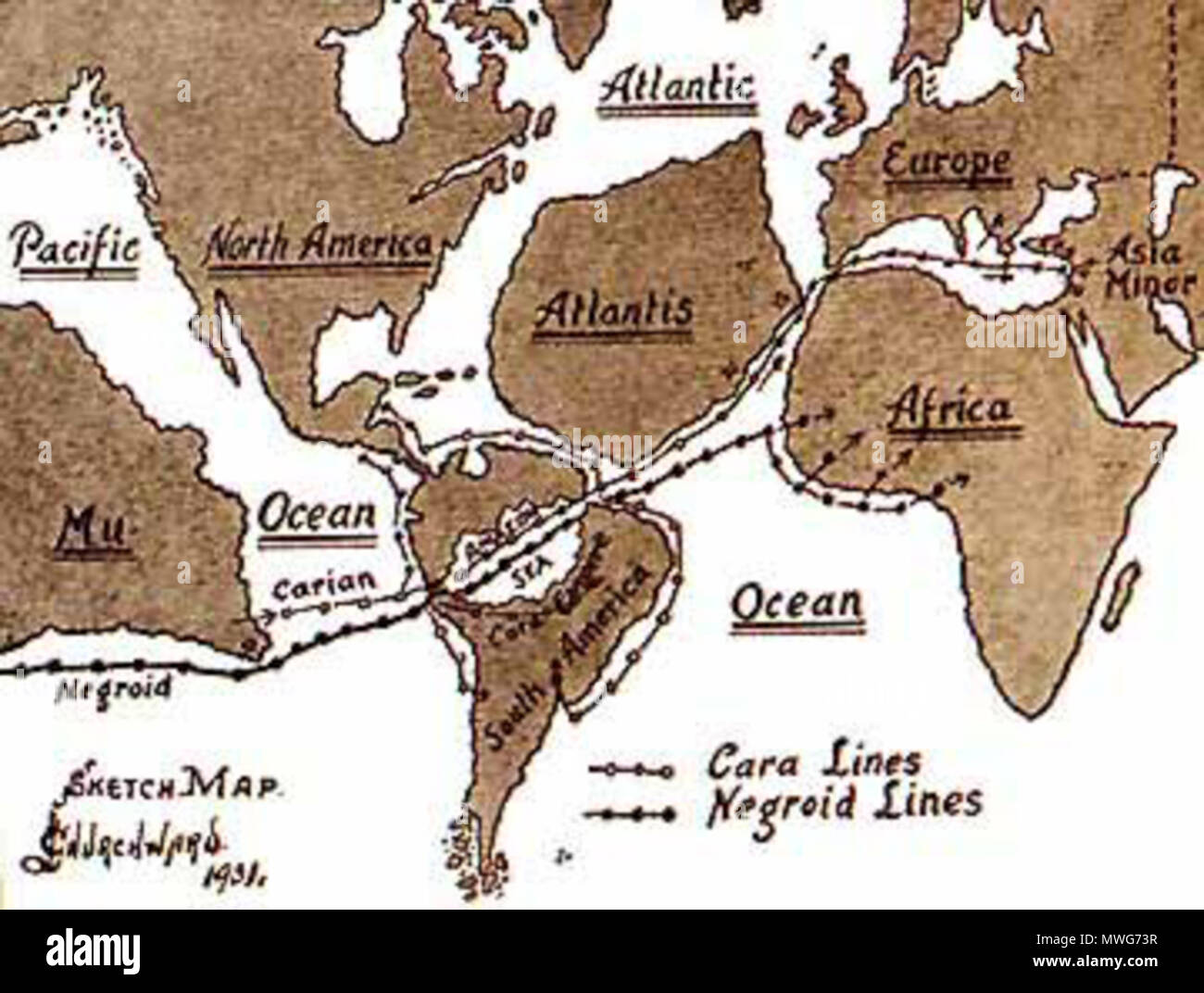
Fig. 4 – Map Showing Alleged Migration of Mu Refugees
Alleged Activities
- Advanced civilization development: Originating technologies like writing, navigation, and monotheism, disseminated globally.
- Cultural diffusion: Survivors colonizing Atlantis, Egypt, and Maya regions, influencing pyramids and myths.
- Cataclysmic destruction: Sinking due to geological upheavals, leaving Pacific islands as remnants.
- Occult knowledge preservation: Encoding secrets in symbols and tablets, accessed by initiates.
- Racial origins: Serving as the “Garden of Eden” for humanity’s root races.
- Extraterrestrial ties: In some theories, interacting with aliens or possessing advanced energy tech.
- Suppression of evidence: Modern science allegedly ignoring or hiding artifacts.
- Media propagation: Books and documentaries exaggerating claims for entertainment.
- Colonial interpretations: Linking to Polynesian oral histories, often misrepresented.
- Modern revivals: Integrating with ancient astronaut theories.
Notable Connections
Key figures include James Churchward, the primary proponent, and Augustus Le Plongeon, who first used “Mu” in Maya contexts. Connections to Theosophists like Blavatsky, who discussed Lemuria. Broader links to Atlantis theories via Ignatius Donnelly and to pseudoarchaeology like Graham Hancock’s works. Modern proponents: Documentaries on History Channel, online forums like Reddit’s r/GrahamHancock. Intersects with other lost lands like Kumari Kandam in Tamil nationalism. Critics include geologists and archaeologists like Ronald Singer, debunking in journals.
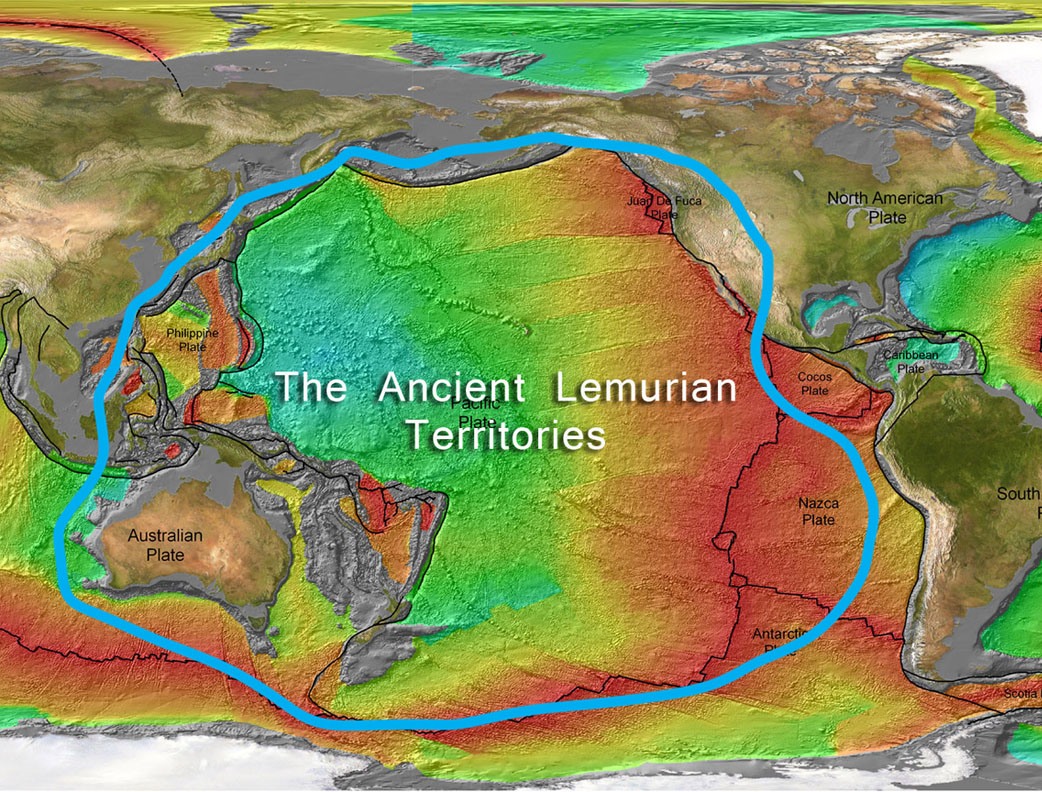
Fig. 5 – Another Illustrative Map of Mythical Continents Including Mu
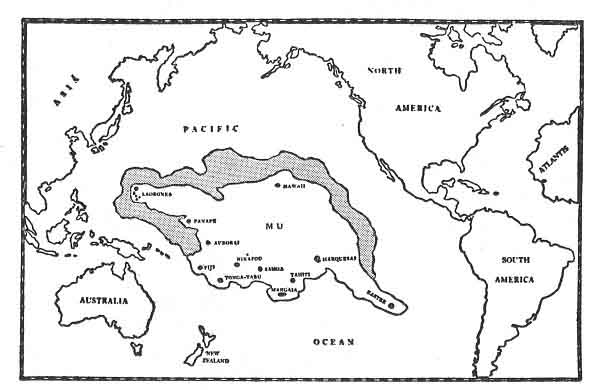
Fig. 6 – Illustration Depicting the Lost Land of Mu in the West
Ideological Profile
The ideological spectrum of Mu theories includes pseudoarchaeology, occultism, and alternative spirituality. Believers often challenge mainstream history, viewing Mu as evidence of forgotten advanced ancestors. Racial elements from early proponents suggest hierarchical origins, though modern interpretations emphasize unity. New Age fringes incorporate spiritual enlightenment or alien involvement. Scientific skeptics highlight methodological flaws. United by skepticism of official narratives, the movement attracts those seeking deeper meanings in human history, amplified online.
Influence and Spread
Theories spread through Churchward’s books, reprinted widely, and media like “Ancient Aliens” episodes. Digital platforms like YouTube (videos with millions of views) and Reddit foster discussions. Influences fiction, such as H.P. Lovecraft‘s myths, and cultural tourism in Pacific islands. Internationally, adaptations in various languages sustain engagement, with ties to regional myths like Hawaiki in Polynesia.
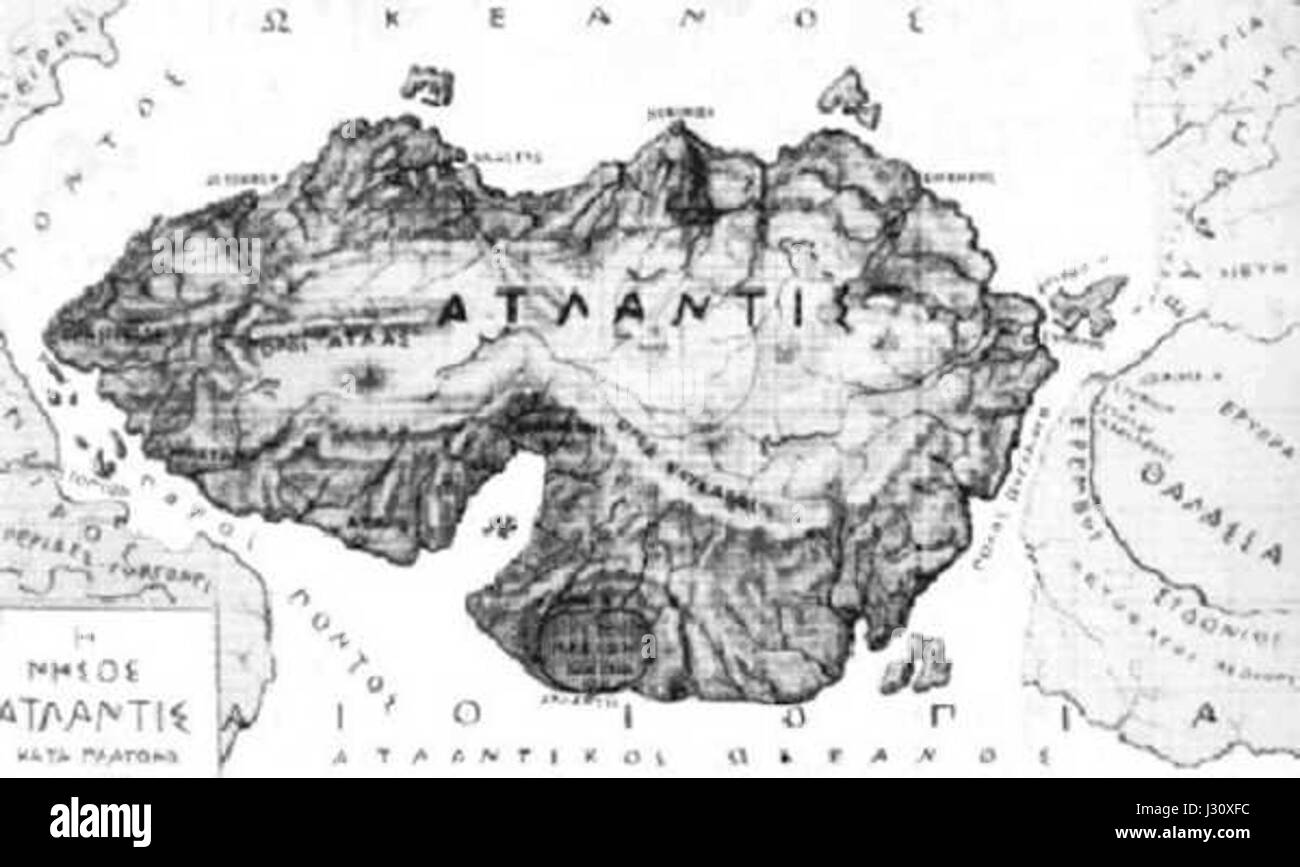
Fig. 7 – Map Linking Atlantis and Mu Theories
Controversies
- Geological debunking: No evidence of sunken continent; Pacific plate subduction explains features.
- Source fabrication: Churchward’s tablets unverified, likely invented.
- Racist undertones: Early claims implying superior ancient races.
- Pseudoscience harm: Misleads public on history and geology.
- Cultural appropriation: Misinterpreting indigenous myths for Western narratives.
- Legal disputes: Occasional challenges to pseudohistorical publications.
Recent Developments (2025)
In 2025, Mu theories resurface in online discussions amid new ocean mapping data, with claims of anomalies. Podcasts and social media integrate with Atlantis revivals. Scientific publications continue debunking, emphasizing plate tectonics advancements.
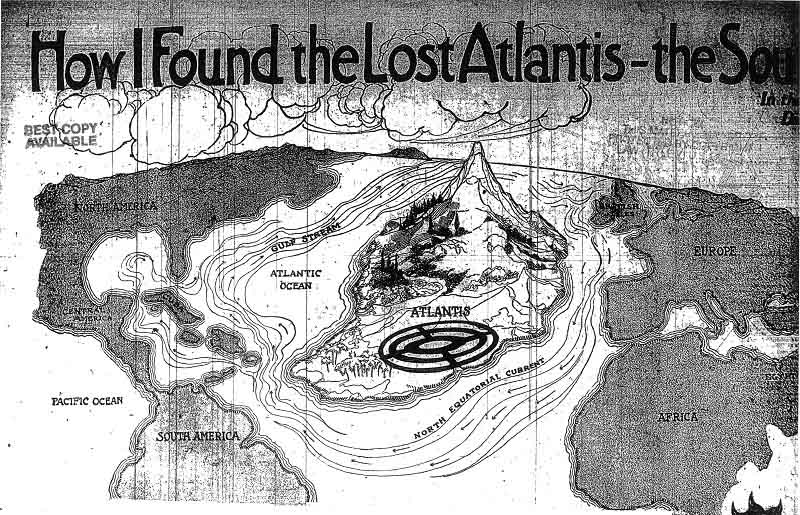
Fig. 8 – Reconstruction Linking Atlantis and Mu
Public Speculations and Linked Narratives
Speculations include advanced tech, alien bases, or spiritual realms. Linked to Lemuria, Atlantis, and other sunken lands like Zealandia (a real submerged continent, but not civilized). Reflect anxieties about human origins and environmental cataclysms.
- Detailed analyses of alleged artifacts and myths.
- Connections to global flood narratives.
- Discussions on proponents and scientific rebuttals.
- Links to historical pseudoscience like phrenology.
These promote critical evaluation of sources.
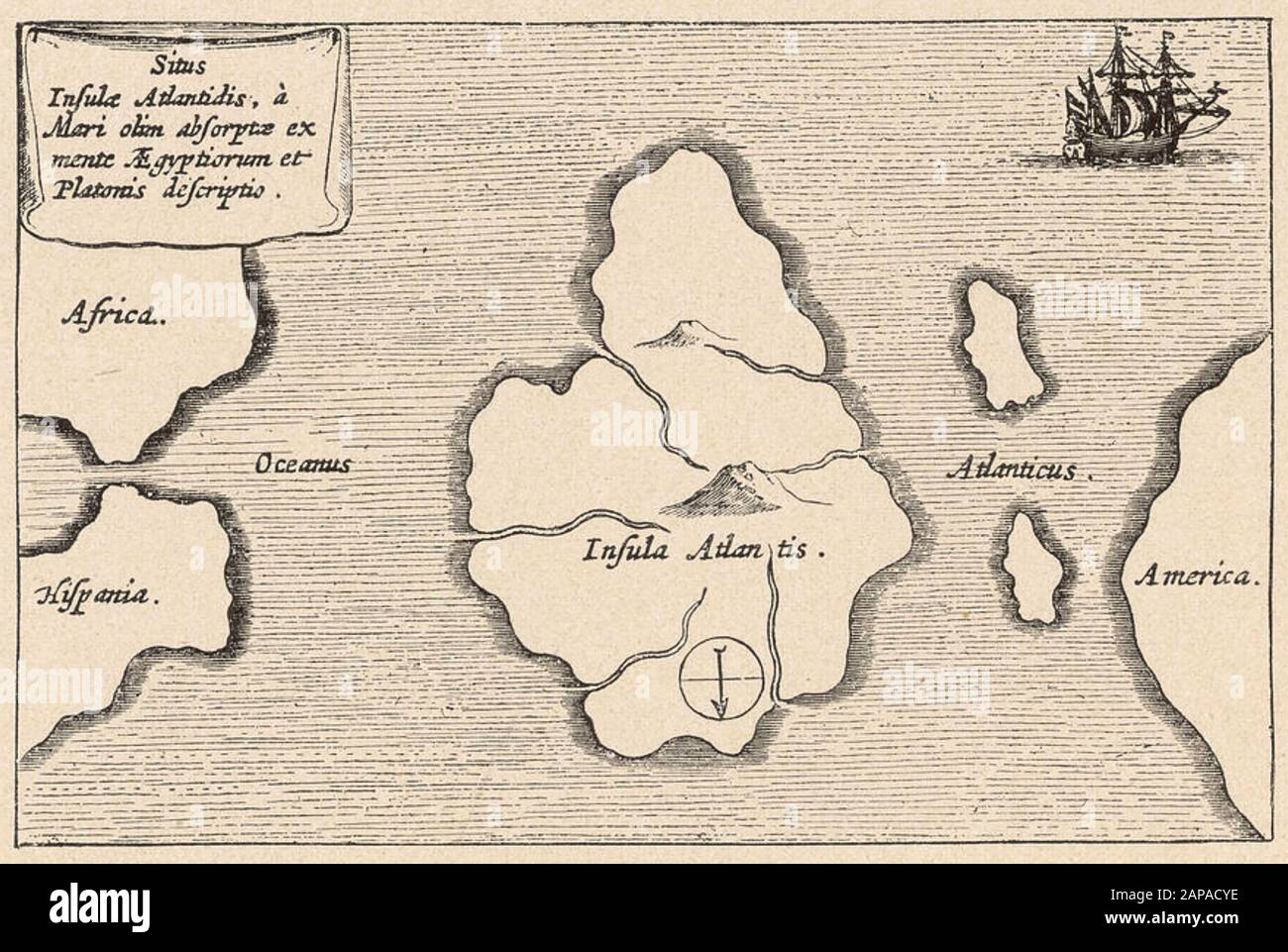
Fig. 9 – Historical Map Depicting Concepts Similar to Mu
Status
As of December 04, 2025, theories of the lost continent of Mu remain pseudohistorical, refuted by geological, archaeological, and genetic evidence. They persist in fringe communities, with resources for verification. Consensus affirms no such continent existed, underscoring lessons in scientific methodology.

Fig. 10 – Alternative Illustrative Map of Mu
References
- Reddit: Mu: The Sunken Empire That Preceded Atlantis
- Mu The Motherland: What Evidence Points to Mu’s Existence in Hawaii?
- Wikipedia: Lost Continents
- Facebook: Debunking Pseudo-Archaeology Theories on Native American History
- Quora: Do modern geologists think that the idea of a lost continent…
- YouTube: The LOST CONTINENT of MU
- Big Think: Lemuria, the weirdest continent that never existed
- Vocal Media: The Lost Continent of Mu | History
- Today I Found Out: The Lost Continent That Never Existed: Mu
- Facebook: The Mystery of Mu, the Lost Continent…
Last updated: December 04, 2025.
