

REALM33
Directorate of Information Preservation and Archival
Subject Profile – File Extract
Name: Dinshah Pestanji Ghadiali
Date of Origin: November 28, 1873 (Birth)
Known Aliases: Colonel Dinshah, Dinshah P. Ghadiali
Scope: Alternative Medicine and Chromotherapy Pioneer
Classification: Inventor in the Color Healing Category
Influence Level: Notable in Early 20th-Century Alternative Health Movements
Current Status: Legacy Continued Through Publications and Followers

Fig. 1 – Dinshah P. Ghadiali in Characteristic Attire (Illustrative Portrait)
Origins and Historical Roots
Dinshah Pestanji Ghadiali was born on November 28, 1873, in Bombay, India, to a Parsi (Zoroastrian) family. From a young age, he showed interest in science and mechanics, assisting professors and pursuing diverse studies. He immigrated to the United States around 1911, eventually settling in Malaga, New Jersey, where he established the Spectro-Chrome Institute. Ghadiali’s early experiences, including claimed successes in treating illnesses with color in India, led to the formal development of his system in the 1920s. His work built on historical chromotherapy traditions, drawing from ancient practices and 19th-century figures like Edwin Babbitt, while emphasizing precise “attuned color waves.”

Fig. 2 – Spectro-Chrome Device (Museum Artifact)
Background
Ghadiali developed Spectro-Chrome Therapy, a system using twelve specific colored lights projected onto the body to restore chemical balance and treat ailments. He claimed colors corresponded to bodily functions and could address conditions ranging from infections to chronic diseases. The therapy involved a device with colored filters and detailed “tonation” schedules. Proponents viewed it as a non-invasive, natural healing method rooted in physics and physiology. Mainstream scientific perspectives attribute any effects to placebo or general relaxation, with no empirical evidence supporting specific therapeutic claims beyond light’s known influences on mood or circadian rhythms.
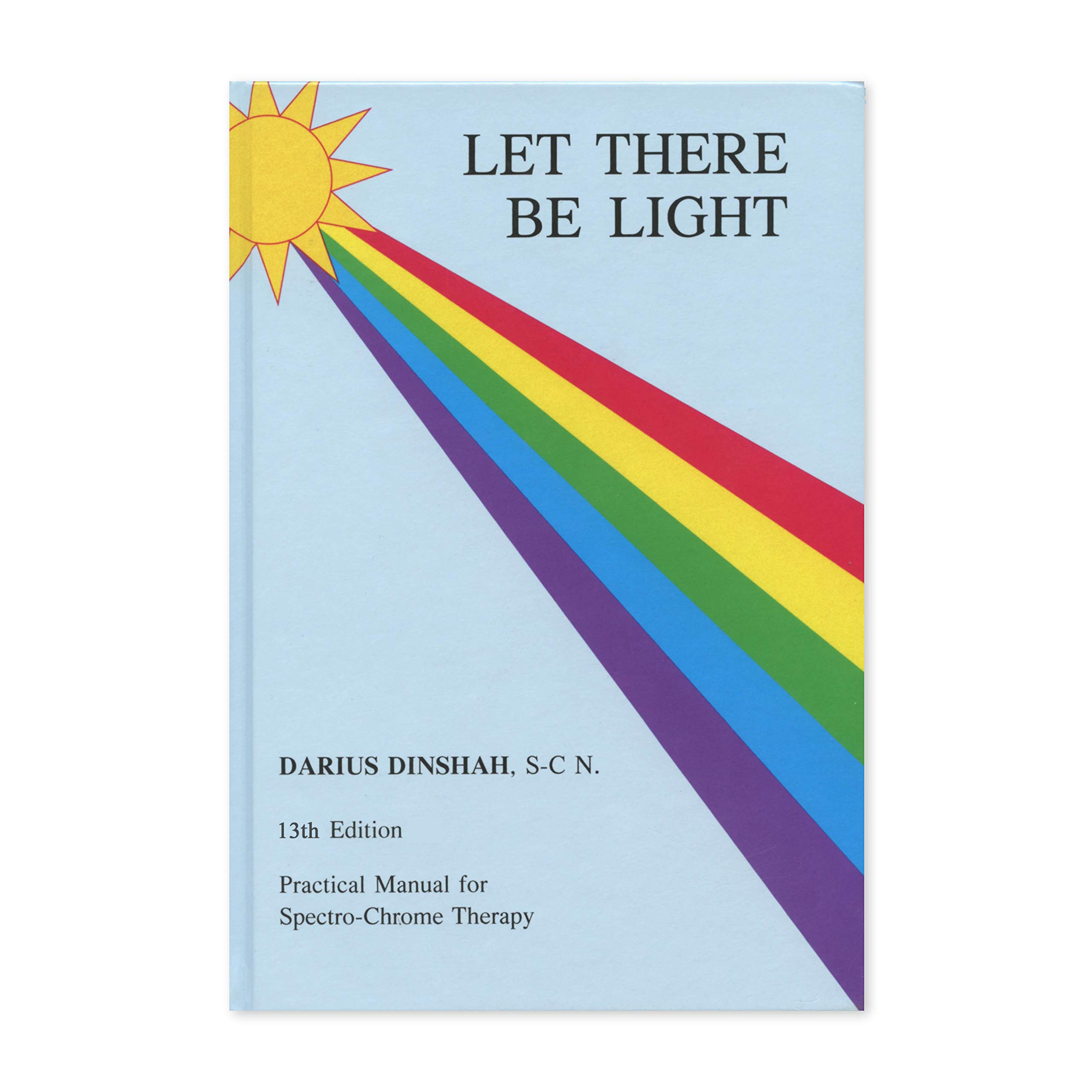
Fig. 3 – “Let There Be Light” Manual by Darius Dinshah (Later Edition)
Alleged Activities
- Developing and patenting the Spectro-Chrome device for home and clinical use.
- Training practitioners and establishing institutes for color therapy education.
- Publishing encyclopedic manuals on tonation schedules for various conditions.
- Lecturing across the U.S. on health, vegetarianism, and alternative science.
- Manufacturing and distributing devices and colored glass slides.
- Advocating lifestyle reforms including diet and non-medical healing.
- Documenting case studies of alleged successful treatments.
Notable Connections
Family members, particularly son Darius Dinshah, continued promoting the system post-1966 through the Dinshah Health Society. Influences include earlier chromotherapists like Babbitt and Pleasonton. Connections to alternative health communities, vegetarian movements, and immigrant networks in early 20th-century America.
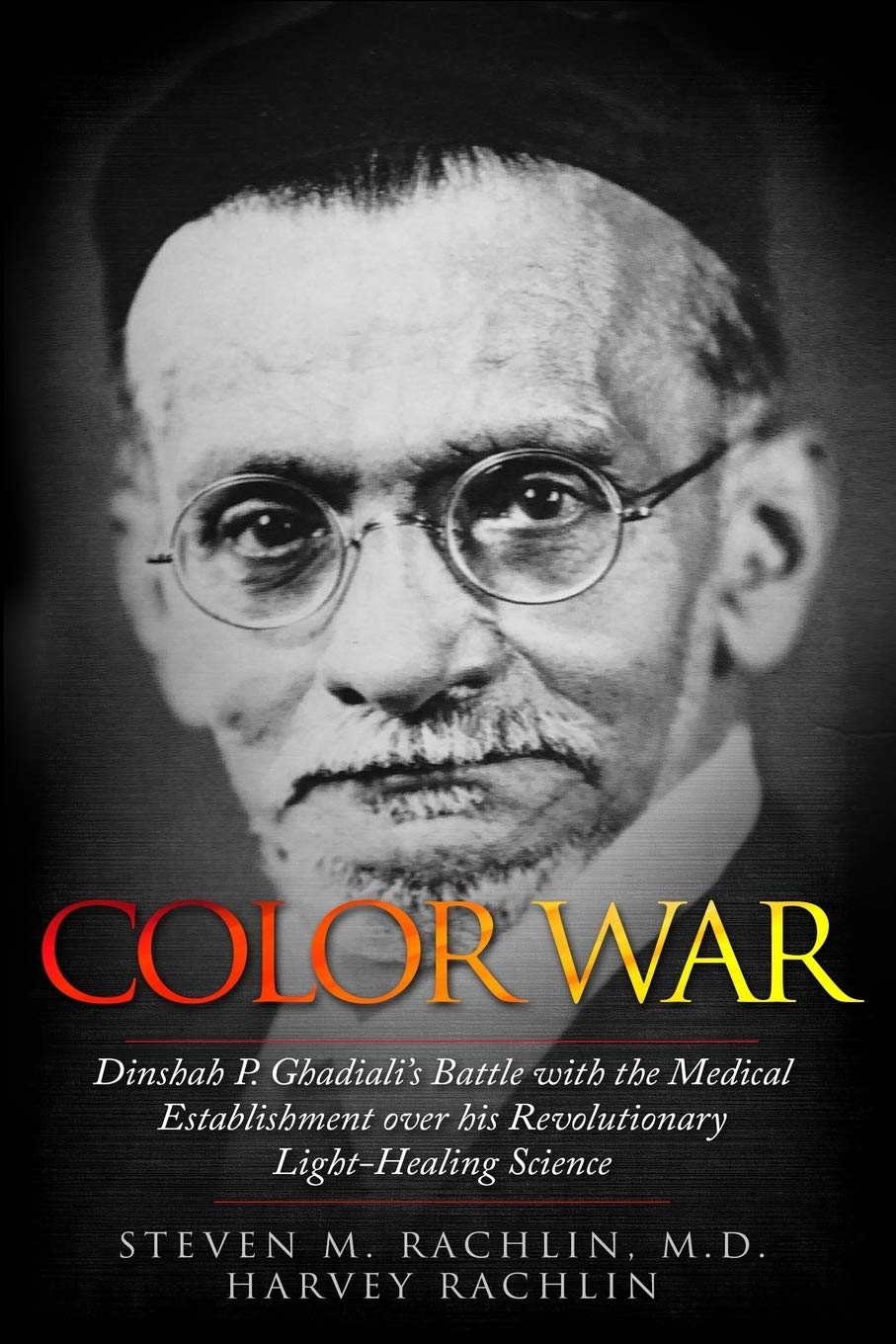
Fig. 4 – Modern Biography Cover (Illustrative)
Ideological Profile
Ghadiali’s views emphasized holistic, non-invasive healing through natural forces like color vibrations, integrating Eastern traditions with Western science. Proponents see it as suppressed knowledge, while critics highlight promotional aspects and lack of rigorous validation.
Influence and Spread
The system gained popularity in the 1920s-1940s through lectures and devices sold nationwide. Legacy persists in modern color therapy practices, books, and online communities exploring light-based wellness.

Fig. 5 – Early Chromotherapy Illustration (Historical Context)
Controversies
- Legal challenges including fraud convictions and device seizures in the 1930s-1940s.
- Debates over honorary degrees and self-styled titles.
- Immigration and citizenship issues related to racial classifications.
- Claims of cures versus medical establishment scrutiny.
- Interstate shipment bans on devices.
Recent Developments (2026)
As of 2026, publications remain available, with renewed interest in light therapy research influencing discussions of historical systems like Spectro-Chrome.

Fig. 6 – Symbolic Representation of Archival Materials
Public Speculations and Linked Narratives
Speculations include:
- Suppression of effective non-pharmaceutical healing methods.
- Links to ancient color wisdom and vibrational medicine.
- Connections to broader alternative health paradigms.
- Influences on modern phototherapy applications.
Scientific narratives focus on evidence-based light applications separate from specific claims.
Fig. 7 – Illustration of Theoretical Elements
Status
Dinshah P. Ghadiali’s Spectro-Chrome system endures as a historical milestone in chromotherapy, with ongoing interest in alternative wellness communities.
References
- Smithsonian: Spectro-Chrome Device
- McGill OSS: Colourful Conman
- Encyclopedia.com: Ghadiali Biography
- Weird NJ: Spectro-Chrome Therapy
- Spectro-Chrome UK: Dinshah Biography
- Science History Institute: Can Color Heal Us?
- JSTOR Daily: Colorful Lights to Cure
- Cabinet Magazine: The Kingpin of Fakers
Last updated: February 10, 2026.


