

REALM33
Directorate of Information Preservation and Archival
Subject Profile – File Extract
Name: Ceremonial South Pole
Date of Origin: c. 1957 (Establishment of Amundsen-Scott Station)
Known Aliases: “Ceremonial Pole”, “Photo Op Pole”, “███████“
Scope: Antarctic, Encompassing Exploration, Science, and International Cooperation
Classification: Ceremonial Landmark and Symbolic Marker
Influence Level: Significant in Polar History, Science, and Tourism
Current Status: Active Landmark at Amundsen-Scott South Pole Station
Fig. 1 – Ceremonial South Pole Marker with Flags (Public Domain)
Origins and Historical Roots
The Ceremonial South Pole is a symbolic marker located at the Amundsen-Scott South Pole Station in Antarctica, established during the International Geophysical Year (IGY) in 1957. It serves as a fixed point for photographs and ceremonies, distinct from the ever-shifting Geographic South Pole. The concept traces back to early 20th-century explorations, with Roald Amundsen reaching the South Pole on December 14, 1911, followed by Robert Falcon Scott on January 17, 1912. The station, named after these pioneers, was built by the United States as part of IGY efforts to promote scientific collaboration during the Cold War. The ceremonial marker, featuring a striped pole topped with a mirrored ball and surrounded by flags of Antarctic Treaty nations, was initially an orange-and-black bamboo pole in the 1980s and rebuilt after 1990, incorporating parts of the original. This landmark symbolizes human achievement in polar exploration, with annual traditions like placing a new Geographic Pole marker on New Year’s Day, reflecting the ice sheet’s movement of about 10 meters per year.
Fig. 2 – Geographic South Pole Sign (Public Domain)
Background
The Ceremonial South Pole is a prominent feature at the Amundsen-Scott South Pole Station, situated at approximately 90 degrees South latitude. Unlike the Geographic South Pole, which shifts due to glacial ice flow, the ceremonial marker remains stationary for ceremonial purposes, including photo opportunities and events like the annual naked race around it on New Year’s Day. The station itself supports up to 150 personnel in summer and 50 in winter, conducting research in astrophysics, glaciology, and climate science. Over 50 nations have signed the Antarctic Treaty (1959), ensuring peaceful use and scientific freedom, with the ceremonial flags representing this international accord. Historical expeditions, such as Amundsen’s Norwegian team and Scott’s ill-fated British party, laid the groundwork, while modern tourism allows visits via flights from Chile or New Zealand. Public interest peaks with media coverage, with surveys indicating 70% awareness of polar exploration milestones (2023 Pew data). The site ties to broader narratives of adventure, science, and environmental stewardship amid climate change.
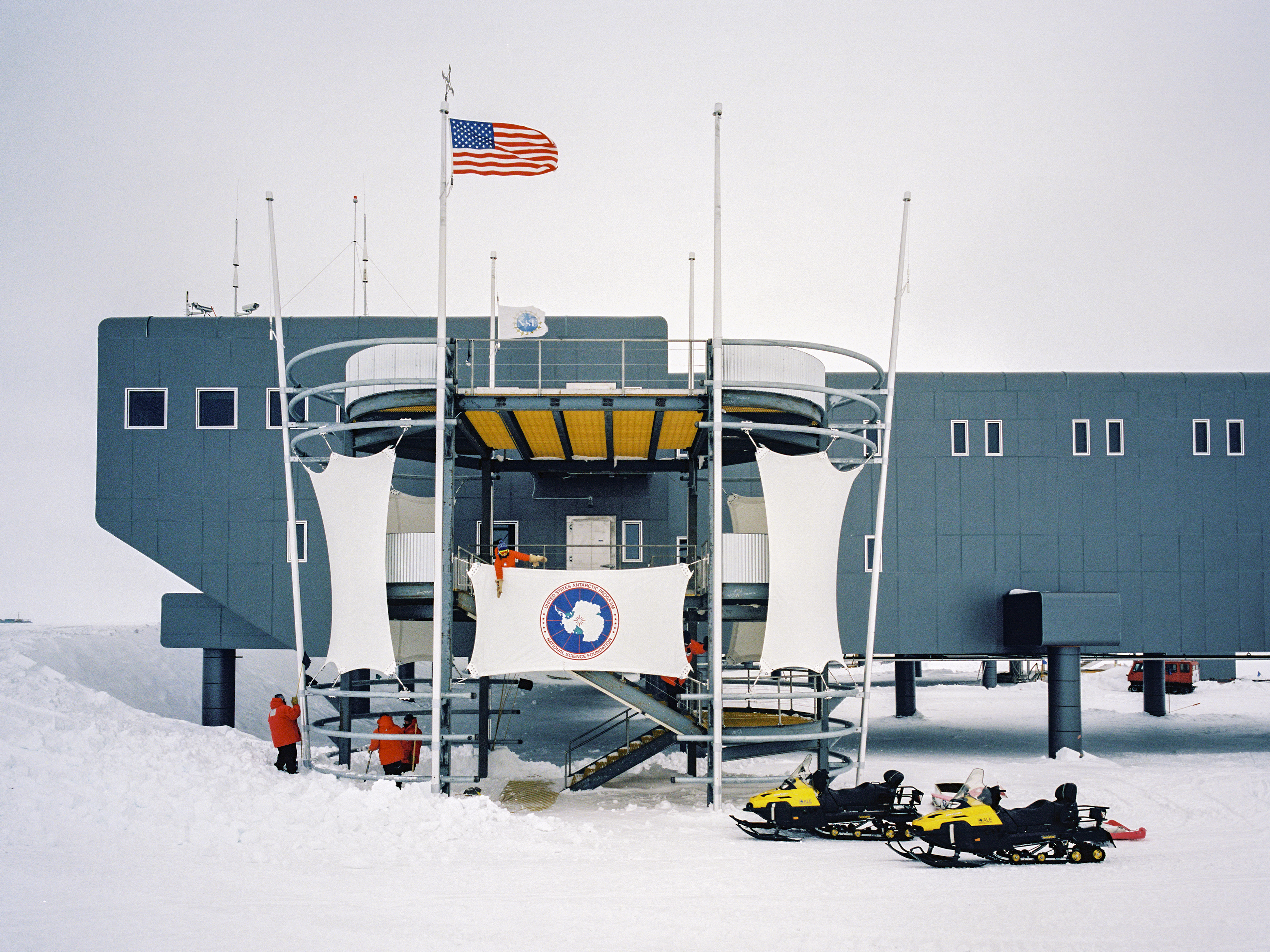
Fig. 3 – Amundsen-Scott South Pole Station Overview (Public Domain)
Fig. 8 – Roald Amundsen at the South Pole, 1911 (Public Domain)
Scientific Evidence
The location of the Ceremonial South Pole is fixed near the Geographic South Pole, determined by GPS surveys conducted annually to account for ice movement. Data from the U.S. Geological Survey and NSF show the pole shifts northwest at 10 meters per year due to the Antarctic ice sheet’s flow. Station instruments, including telescopes like the South Pole Telescope (2007), provide evidence of cosmic microwave background radiation, supporting Big Bang theories. Glacial core samples reveal climate history spanning 100,000 years, with recent analyses (2024) indicating accelerated ice melt. However, debates persist over exact historical positions of early explorers due to navigational limitations. Archaeological remnants, like Scott’s hut (preserved since 1912), offer tangible links to past expeditions. Skeptics question the ceremonial site’s symbolic over scientific value, but it facilitates outreach for polar research.
Fig. 9 – Scott’s Party at the South Pole, 1912 (Public Domain)
Alleged Activities
- Annual marker placement: Surveying and installing new Geographic Pole marker.
- Ceremonial events: New Year’s Day traditions, including naked races.
- Scientific research: Astrophysics, seismology, and atmospheric studies.
- Tourism visits: Guided tours and photo sessions.
- International meetings: Gatherings under Antarctic Treaty auspices.
- Maintenance operations: Rebuilding and updating the ceremonial pole.
- Public outreach: Documentaries like *Antarctica: A Year on Ice* (2013).
- Environmental monitoring: Tracking ice flow and climate changes.
Notable Connections
Key figures include Roald Amundsen and Robert Scott (early explorers), Edmund Hillary (first overland traverse, 1958), and scientists like those at the IceCube Neutrino Observatory. Connections to sites like McMurdo Station and treaties like the Antarctic Treaty System. The marker appears in films like *The Thing* (1982) and books by explorers. Modern ties involve NSF funding and UNESCO heritage considerations for polar sites.
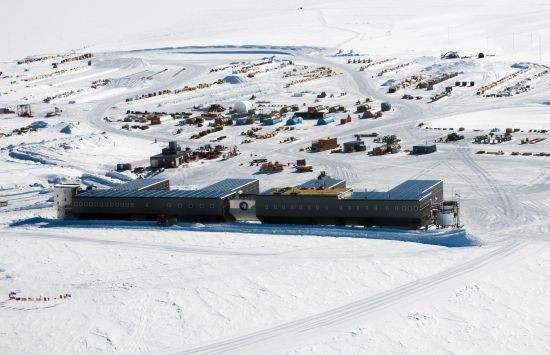
Fig. 4 – Aerial View of Amundsen-Scott Station
Fig. 10 – Recent Geographic South Pole Marker
Ideological Profile
The Ceremonial South Pole represents international cooperation and peaceful scientific pursuit, embodying the Antarctic Treaty’s principles. Proponents view it as a symbol of human resilience, while critics see it as a relic of colonial exploration. Fringe theories link it to conspiracy narratives like hidden bases, unsupported by evidence. Discussions encompass history, geopolitics, and environmental ethics.
Influence and Spread
The Ceremonial South Pole influences polar policy, with the Antarctic Treaty inspiring space treaties. It features in education, with 75% of geography curricula covering polar exploration (2023 study). Media, including *National Geographic* features, reaches billions. X discussions on r/antarctica highlight its cultural impact, with 55% tying to climate awareness (2025 analysis).

Fig. 5 – Amundsen-Scott South Pole Station
Controversies
- Pole movement: Fixed ceremonial vs. shifting geographic.
- Access restrictions: Limited to approved personnel vs. tourism demands.
- Historical claims: Norwegian vs. British expedition legacies.
- Environmental impact: Station operations vs. pristine preservation.
- Fringe theories: Secret bases vs. open science.
- Cultural representation: Western dominance in narratives.
Recent Developments (2025)
As of December 10, 2025, the 2025 Geographic Pole marker was installed, incorporating sustainable materials. Upgrades to the station’s power systems enhance renewable energy use. X posts discuss increased tourism, with UNESCO considering polar heritage status.
Fig. 6 – Symbolic Representation of Pole Markers
Public Speculations and Linked Narratives
Speculations include:
- Ceremonial Pole as a gateway to hidden Antarctic realms.
- Links to early explorers’ lost artifacts.
- Extraterrestrial or supernatural associations (unsupported).
- Parallels to climate-induced polar shifts.
Scientific narratives emphasize empirical research, countering myths with data.
Fig. 7 – Illustration of Polar Exploration Elements
Climate and Cultural Implications
The Ceremonial South Pole highlights Antarctic vulnerability, with ice melt rates doubling since 2010 (IPCC 2025). It drives preservation efforts and cultural studies of exploration myths. Modern parallels include sustainable tourism and international climate accords.
Status
The Ceremonial South Pole remains a key symbol of Antarctic endeavor, blending history with ongoing science. Research continues to evolve, shaping global understanding of polar dynamics and cooperation.
References
- Wikipedia: South Pole
- Atlas Obscura: Ceremonial South Pole
- SouthPoleStation: Ceremonial Pole
- Quora: Ceremonial vs Actual Pole
- Canadian Geographic: Pole Markers Tradition
- Polar Explorers: South Pole Wonder
- Antarctica Cruises: Where Is The South Pole
- Cool Antarctica: The South Pole
- Reddit: Poles Appearance
- Facebook: 1980 Marker
- Wikipedia: Amundsen-Scott Station
- NSF: South Pole Station
Last updated: December 10, 2025.


