

REALM33
Directorate of Information Preservation and Archival
Subject Profile – File Extract
Designation: Malillumination Theory
Also Known As: Full-Spectrum Light Deficiency · “Light Malnutrition” · ███████
Period of Activity: 1950s – Present
Primary Domain: Photobiology / Environmental & Endocrine Health
Threat Assessment: Widespread unrecognised chronic exposure — civilian population at scale
Current Status: ACTIVE · Declassified
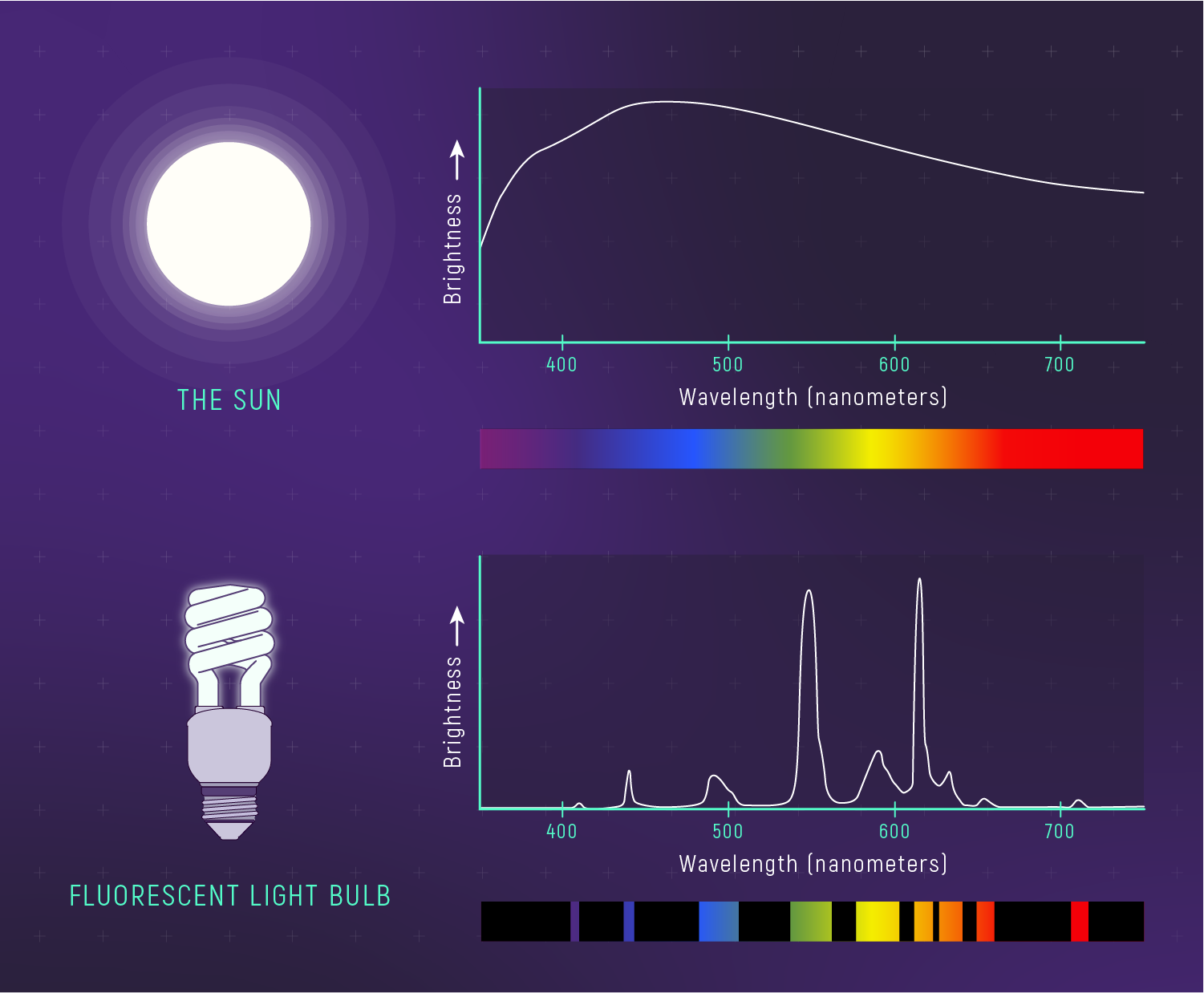
Fig. 1 – Full-Spectrum Sunlight Compared to Typical Artificial Light
(NASA Science / Public domain)
Origins and Historical Roots
The malillumination theory has its origins in the photobiological laboratories of the early 1950s, where researcher and time-lapse photography pioneer John Nash Ott first observed that plants grown under standard artificial lighting exhibited abnormal cellular development, stunted growth, and irregular reproductive cycles — despite receiving what conventional science considered adequate illumination. Ott’s critical insight was that light was not a single monolithic phenomenon but a complex biological signal, and that stripping it of certain wavelengths was no different, in physiological terms, from removing essential vitamins from a diet.
Ott’s subsequent studies extended these observations to animal subjects and, eventually, to human populations. When laboratory mice were housed under cool-white fluorescent lighting with no access to natural or ultraviolet-inclusive sources, researchers documented shortened lifespans, reproductive failure, abnormal organ development, and markedly elevated aggression. Parallel experiments with chickens and cattle under full-spectrum versus narrow-spectrum lighting conditions produced equally striking differentials in growth rates, immune competence, and mortality. By the mid-1960s, sufficient converging evidence existed to warrant a formal designation: malillumination — the systemic biological impairment resulting from chronic deprivation of the complete spectral range present in natural daylight.
The concept gained institutional traction through the 1970s and 1980s as independent researchers in West Germany, the United States, and Scandinavia began to replicate and expand upon Ott’s foundational work. The common thread running through this body of research was a recognition that modern civilisation had, in the span of a single century, fundamentally altered the dominant light environment to which human physiology had adapted over millions of years — and that the health consequences of this alteration had been almost entirely overlooked.
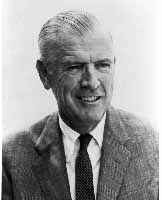
Fig. 2 – John Nash Ott, Photobiology Pioneer, in Laboratory Setting (Public domain historical photo)
Background and Core Concepts
At its theoretical foundation, malillumination posits that light functions as a biological nutrient with regulatory authority over the body’s most fundamental endocrine processes. The operative pathway is ocular: photons of specific wavelengths, upon entering the eye, stimulate the retinohypothalamic tract — a non-visual neural pathway that bypasses the visual cortex entirely and communicates directly with the hypothalamus, pituitary gland, and pineal body. These structures constitute the master regulatory axis of the human endocrine system. When the light signal received is incomplete — lacking critical near-ultraviolet and balanced visible wavelengths — the regulatory cascade is correspondingly impaired.
Standard indoor light sources present a severely truncated spectral profile. Cool-white fluorescent tubes emit concentrated energy in narrow green and yellow bands with virtually no UV component and large gaps throughout the visible spectrum. First-generation LEDs, now ubiquitous in domestic, commercial, and institutional environments, replicate this deficiency while adding an additional complication: a pronounced blue-wavelength spike at approximately 450 nanometres that disrupts melatonin synthesis and artificially suppresses the body’s circadian night-phase signalling, even when ambient illuminance levels are low. Glass windows — including the double-glazed units found in modern construction — filter out the near-UV wavelengths that prompt vitamin D precursor synthesis in the skin and regulate circadian photoentrainment. The result is an indoor population receiving a light diet that is, from a spectral standpoint, chronically deficient.
The analogy to nutritional deficiency is precise rather than rhetorical. Just as scurvy does not require the complete absence of vitamin C but merely a sustained inadequacy of it, malillumination does not require total darkness — it requires only that the light environment consistently fail to deliver the full spectral complement the body’s regulatory systems depend upon. This is the condition that characterises virtually every artificially-lit indoor environment in the industrialised world.

Fig. 3 – Illustration of Light as Essential Environmental Input (Public domain analogy)
“Magnificent CME Erupts on the Sun – August 31”
by NASA Goddard Space Flight Center (August 31, 2012)
CC BY-SA 2.0
Key Evidence and Observed Effects
The most operationally significant body of evidence comes from controlled institutional interventions. In a series of school-based studies conducted in the United States during the 1970s, classrooms fitted with full-spectrum, radiation-shielded fluorescent fixtures were compared against control classrooms using standard cool-white tubes. Children in the full-spectrum environments exhibited substantially reduced hyperactivity and off-task behaviour, improved academic performance across subject areas, and — in a finding that surprised investigators — a documented one-third reduction in dental caries incidence over the study period. The dental finding is of particular interest because it suggests a systemic metabolic effect on calcium regulation, not merely a behavioural improvement attributable to the placebo effect.
Concurrently, Dr. Fritz Hollwich in West Germany was conducting systematic clinical measurements of neuroendocrine markers in subjects exposed to differing light environments. His instruments recorded significantly elevated plasma concentrations of adrenocorticotropic hormone (ACTH) and cortisol — the body’s primary stress mediators — in individuals working under standard artificial fluorescent lighting, compared to those exposed to daylight-equivalent full-spectrum sources. Hollwich’s interpretation was unambiguous: artificial lighting of the type universally employed in offices, hospitals, and schools was inducing a measurable physiological stress response in the occupants, independent of psychological stressors. His 1980 monograph, The Influence of Ocular Light Perception on Metabolism in Man and in Animal, remains a foundational reference in the field.
Muscle response testing conducted under standardised kinesiology protocols has consistently demonstrated immediate and reproducible reductions in skeletal muscle strength when subjects are placed under incomplete-spectrum artificial light, with full recovery of normal strength upon transition to full-spectrum or natural daylight conditions. While the mechanism underlying this acute response is not yet fully characterised, researchers have proposed disrupted neuromuscular junction signalling mediated by rapid hormonal fluctuations triggered through the retinohypothalamic pathway.
- Endocrine Disruption: Deficient spectral input fails to adequately stimulate the pituitary-pineal axis, producing downstream dysregulation of cortisol, melatonin, serotonin, and reproductive hormone cycles.
- Behavioural and Cognitive Impairment: Documented hyperactivity, attentional deficits, and mood instability in school-age children under standard artificial lighting; improvements upon full-spectrum substitution.
- Metabolic and Structural Effects: Elevated dental caries incidence, impaired calcium metabolism, and altered lipid profiles observed under deficient light conditions in both human and animal subjects.
- Immunological Compromise: Reduced resistance to infectious disease and slower wound healing correlated with restricted UV and visible-spectrum exposure in controlled animal studies.
- Reversibility: In all documented intervention studies, restoration of full-spectrum illumination produced measurable and statistically significant improvements within weeks to months, indicating that the effects are functional rather than structural.

Fig. 4 – Full-Spectrum Lighting in Educational Settings
“Taliesin West Frank Lloyd Wright Art Studio reflecting light and flowers from surrounding gardens”
by DianeSciulloSmalley (May 22, 2018)
CC BY-SA 4.0
Related Theories and Proponents
The malillumination framework has attracted and generated a network of independent researchers whose work, while divergent in methodology, converges on the central thesis that the modern light environment constitutes an unacknowledged public health hazard.
Dr. Jacob Liberman, an optometrist whose clinical practice spanned over three decades and more than 15,000 patients, documented therapeutic outcomes across a spectrum of conditions — including clinical depression, premenstrual syndrome, learning disabilities, immune dysfunction, and stress-related disorders — using light as the primary or adjunctive intervention. His 1991 work Light: Medicine of the Future synthesised this clinical experience into a coherent challenge to mainstream medicine’s treatment of light as a passive environmental variable rather than an active physiological input. Liberman’s position — that the medical establishment’s warnings regarding sun exposure, combined with the wholesale adoption of UV-filtering architecture and eyewear, had created a self-reinforcing cycle of light deprivation and chronic illness — remains controversial in conventional medical circles but is supported by a substantial body of empirical clinical data.
The emerging field of photobiomodulation has provided a separate but convergent line of evidence. Researchers investigating the biological effects of specific narrowband light wavelengths — particularly red (620–700 nm) and near-infrared (700–1100 nm) — have documented direct stimulatory effects on mitochondrial cytochrome c oxidase, the terminal enzyme of the cellular respiratory chain. Exposure to these wavelengths increases ATP synthesis, reduces oxidative stress markers, and accelerates cellular repair processes. These findings imply that full-spectrum light does not merely regulate the endocrine system through neural pathways but also acts directly at the cellular level — an observation that significantly broadens the theoretical scope of malillumination from a hormonal to a fundamentally metabolic framework.

Fig. 5 – Symbolic Depiction of Light’s Fundamental Biological Role
“Thylakoid membrane 3.”
by Somepics (28 January 2015)
CC BY-SA 4.0
Scientific Validation and Practical Applications
Full-spectrum lighting technology has been adopted across a range of applied settings with documented operational benefits. In commercial horticulture and controlled-environment agriculture, full-spectrum grow lighting has supplanted narrow-band alternatives as the industry standard for yield optimisation and crop quality. In animal husbandry, poultry and livestock operations employing full-spectrum illumination report measurably improved production metrics, lower antibiotic usage, and reduced disease mortality compared to facilities using conventional fluorescent or standard LED sources — findings that agricultural researchers have been unable to attribute solely to illuminance levels, implicating spectral composition as the operative variable.
Within human environments, the practical application of malillumination research has been partially absorbed into the mainstream under the rebranding of “circadian lighting” or “human-centric lighting” — design frameworks that acknowledge the non-visual biological effects of light and recommend dynamic spectral tuning tied to the time of day. Hospitals in Scandinavia and Germany have implemented circadian-aware lighting protocols in intensive care and psychiatric wards, reporting improvements in patient recovery rates, sleep quality, and staff wellbeing. These applications, while framed in the less contentious language of chronobiology rather than malillumination, represent a de facto institutional acknowledgement of the theory’s core premise.
Current Status and Future Outlook (As of March 2026)
As of the date of this file’s declassification, malillumination theory occupies a position of growing but still incompletely recognised relevance within the global public health landscape. The proliferation of high-intensity blue-shifted LED lighting across residential, commercial, and public infrastructure — accelerated by energy-efficiency mandates throughout the 2010s and 2020s — has created conditions that, by the theory’s own predictive framework, would be expected to produce population-level increases in circadian disruption, metabolic dysfunction, mood disorders, and immune compromise. Epidemiological trends in precisely these categories have continued to rise across the same period, though mainstream public health discourse has not yet established formal attribution.
The growing commercial market for red-light therapy devices, blue-light-blocking eyewear, and circadian-aligned smart lighting systems indicates that consumer awareness of spectral health effects is increasing independently of official guidance. Research institutions in Japan, South Korea, the United States, and Northern Europe are actively publishing in photobiology and photomedicine at an accelerating rate. The foundational work represented in this archive — conducted largely without institutional funding and in some cases actively marginalised by the scientific establishment — is now being independently reproduced and extended by a new generation of researchers who, in many cases, are unaware of its origins.
It is the assessment of this Directorate that the body of evidence constituting the malillumination framework represents one of the most significant unacknowledged environmental health issues of the industrial era. The mechanisms are documented. The interventions are proven. The principal obstacle to wider recognition remains institutional rather than evidentiary.
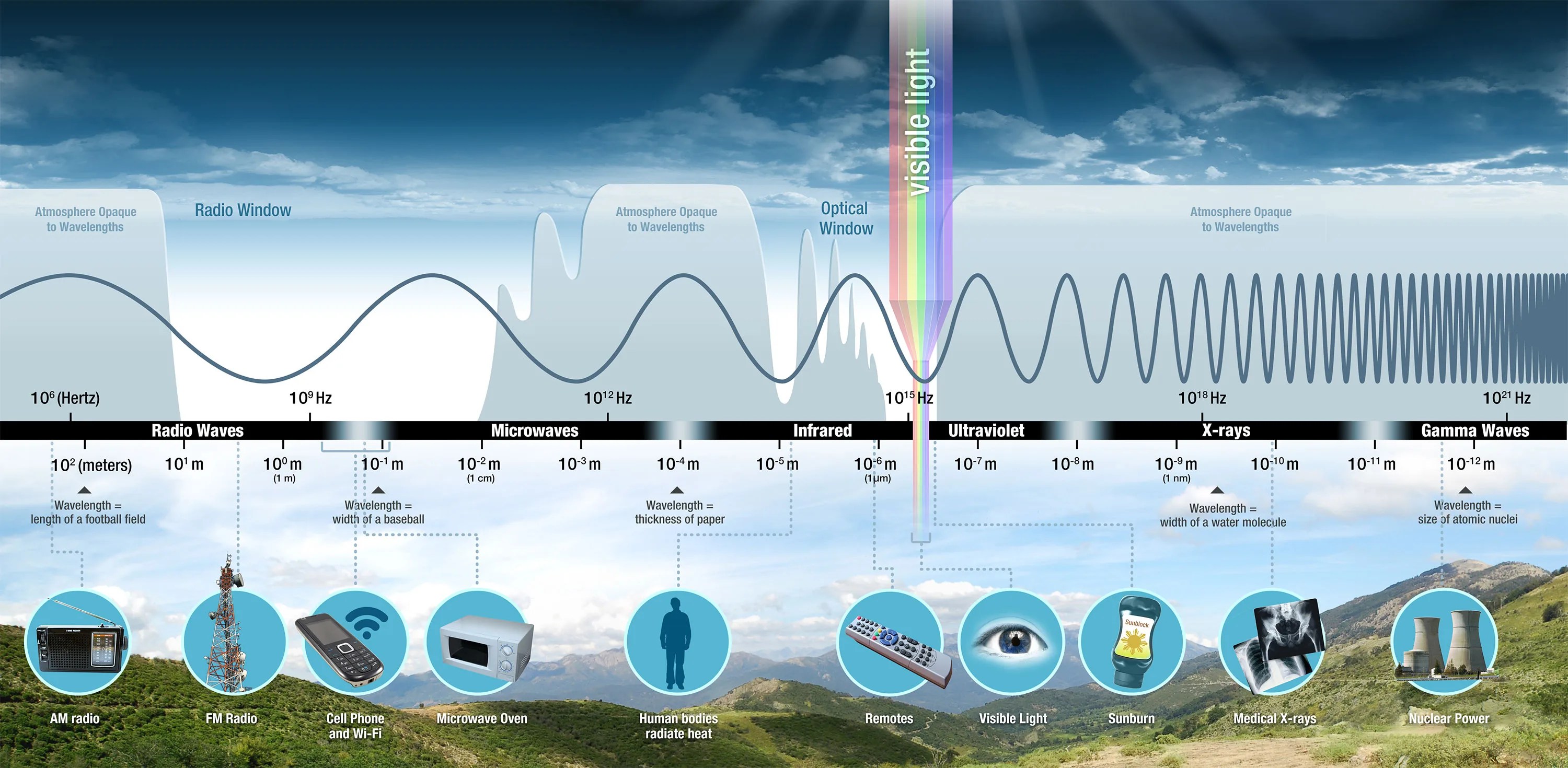
Fig. 6 – Visual Overview of Full-Spectrum Light Principles (Educational graphic, Public Domain, NASA)
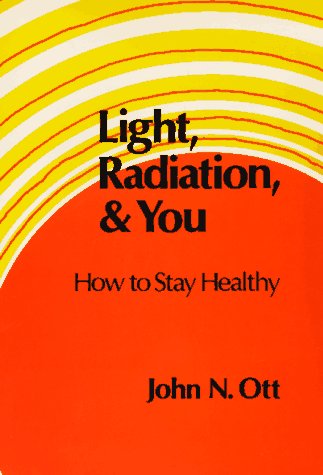
LIGHT, RADIATION, AND YOU
How to Stay Healthy — John Ott
The complete foundational document that established the malillumination research. Available here for direct download for educational and archival purposes.
↓ DOWNLOAD ARCHIVAL PDFHosted by Realm33 · Instant download · No registration required
References
- Science of Light: Mal-illumination – The Indoor Pandemic
- Mother Earth News: Dr. John Ott: The Light Side of Health (1986)
- Liberman, J. Light: Medicine of the Future – Clinical applications of light therapy
- Hollwich, F. The Influence of Ocular Light Perception on Metabolism in Man and in Animal (1980) – Metabolic and stress hormone effects
- Make Great Light: Pioneer Research on Full-Spectrum Benefits
- NASA Science: Public spectrum comparison graphics
- Additional photobiology studies on classroom lighting, animal physiology, and mitochondrial photobiomodulation (1970s–2026)
Last updated: March 27, 2026.
