
Fossil Fuels Hoax

REALM33
Directorate of Information Preservation and Archival
Subject Profile – File Extract
Name: Fossil Fuels Hoax
Date of Origin: Early 19th Century (Initial Ideas), Modern Form in 1950s
Known Aliases: “Abiotic Oil Formation Hypothesis”, “Non-Biogenic Petroleum Theory”, “Abiogenic Petroleum Origin”, “███████“
Scope: Global, Encompassing Geology, Geochemistry, Energy Resources, Economics, and Environmental Policy
Classification: Scientific Theory Proposing Inorganic (Abiotic) Origin and Potential Renewal of Petroleum and Natural Gas Deposits
Influence Level: Significant in Alternative Scientific Debates, Energy Policy Discussions, Peak Oil Critiques, and Fringe Media Outlets
Current Status: Subject to Ongoing Research, Debate, and Occasional Resurgence in Popular Discourse as of November 2025

Fig. 1 – Oil Well in Operation (Public Domain)
Origins and Historical Roots
The endless oil theory, formally known as the abiogenic petroleum origin hypothesis, traces its conceptual beginnings to the early 19th century. German naturalist Alexander von Humboldt suggested in 1805 that petroleum might originate from deep within the Earth through inorganic processes. This idea was further developed in 1877 by Russian chemist Dmitri Mendeleev, renowned for creating the periodic table, who proposed that hydrocarbons form from metal carbides reacting with water under extreme pressure and temperature in the Earth’s interior. Mendeleev’s hypothesis challenged the emerging biotic theory and laid the groundwork for later abiotic models.
The theory gained substantial traction in the mid-20th century through Soviet scientists. In the 1950s, geologist Nikolai Kudryavtsev formulated “Kudryavtsev’s Rule,” which posited that hydrocarbons could migrate from deeper layers into sedimentary basins, explaining oil deposits in non-sedimentary rocks. Vladimir Porfir’yev expanded on this, arguing in 1951 that petroleum is generated continuously in the Earth’s mantle from primordial materials and ascends through faults and fractures. This Soviet school of thought was influenced by post-World War II energy needs and deep drilling projects, contrasting with Western biotic dominance.
In the West, the theory was popularized in the 1980s by Austrian-born astrophysicist Thomas Gold. Gold’s 1999 book, “The Deep Hot Biosphere,” integrated abiotic oil with ideas of subsurface microbial life, suggesting that hydrocarbons are primordial and replenished from the mantle. Gold’s work built on earlier debates, including those during the 1970s oil crises, where Malthusian scarcity fears clashed with notions of resource renewal. Historical roots also connect to broader geological debates on Earth’s formation, influenced by figures like French chemist Marcellin Berthelot in the 1860s, who conducted experiments on hydrocarbon synthesis under high pressure.

Fig. 2 – Dmitri Mendeleev, Early Proponent
Background
The abiotic oil theory posits that petroleum and natural gas are formed inorganically (abiotically) from primordial carbon and hydrogen in the Earth’s upper mantle or lower crust, under extreme conditions of heat and pressure. Proponents argue that these hydrocarbons migrate upward through deep faults into reservoirs, implying that oil is not a finite resource derived from ancient organic matter but a potentially renewable one generated continuously from geological processes. This challenges the dominant biotic theory, which asserts that oil originates from the decomposition of prehistoric marine organisms buried in sedimentary layers, transformed over millions of years into hydrocarbons.
Key mechanisms in abiotic theory include the Fischer-Tropsch process, where carbon monoxide and hydrogen react to form hydrocarbons, potentially occurring in the mantle. Evidence cited includes the presence of hydrocarbons in meteorites, comets, and planets like Titan (Saturn’s moon), where no life exists, suggesting universal inorganic formation. On Earth, observations of helium-3 (a mantle-derived isotope) in some oil fields and the replenishment of depleted wells, such as in Russia’s Romashkino field, are presented as support. Geochemical analyses, including carbon isotope ratios that occasionally deviate from biotic patterns, further bolster claims.
In contrast, mainstream geology overwhelmingly supports the biotic origin, emphasizing biomarkers (molecular fossils from organisms), optical activity (chirality indicative of biological processes), and the geological association of oil with sedimentary basins. The theory has implications for geochemistry, with laboratory experiments simulating mantle conditions to produce simple hydrocarbons, though scaling to commercial volumes remains debated. Economically, it intersects with energy markets, questioning peak oil predictions and influencing discussions on resource scarcity versus abundance.

Fig. 3 – Thomas Gold, Western Advocate (Public Domain, 1986)
Scientific Evidence Supporting the Theory
Proponents point to several lines of evidence for abiotic oil formation. Hydrocarbons have been detected in extraterrestrial bodies, such as methane on Titan and in carbonaceous chondrites, implying non-biological origins. On Earth, the association of helium-3 and other primordial gases with petroleum deposits suggests mantle sourcing. Isotopic studies sometimes show carbon-13 depletion patterns that could indicate inorganic processes, though interpretations vary.
Deep drilling projects, like the Soviet Kola Superdeep Borehole (reaching 12 km in the 1980s), encountered unexpected hydrocarbons in crystalline basement rocks, far from sedimentary layers. Laboratory simulations using high-pressure diamond anvil cells have produced methane and heavier hydrocarbons from inorganic precursors like calcium carbonate and iron oxide. Field observations of oil field replenishment, such as in the Gulf of Mexico’s Eugene Island, where production rates unexpectedly increased after depletion, are cited as potential indicators of ongoing migration from deeper sources.
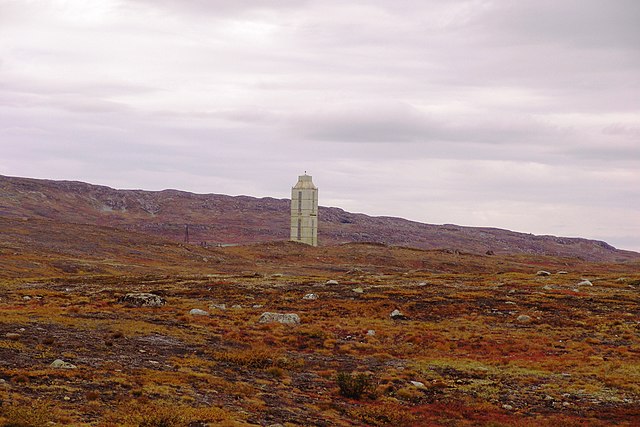
Fig. 4 – Kola Superdeep Borehole Site (Public Domain)
Criticisms and Mainstream Consensus
Despite intriguing evidence, the abiotic theory faces substantial criticism from the scientific community. Mainstream geologists argue that oil’s optical activity—its ability to rotate polarized light—stems from chiral molecules produced only by living organisms, not abiotic processes. Biomarkers, such as steranes and hopanes derived from ancient bacteria and algae, are ubiquitous in petroleum, strongly supporting biotic origins.
The geological distribution of oil is overwhelmingly tied to sedimentary basins with organic-rich source rocks, not random mantle upwellings. Critics note that even if abiotic hydrocarbons form, the rates are too slow to account for commercial deposits or replenish fields meaningfully. Studies, including those by the USGS, estimate abiotic contributions as negligible. The theory is often dismissed as pseudoscience, with claims of replenishment explained by improved extraction techniques or migration from untapped reservoirs rather than new formation.
Fig. 5 – Colin Campbell, Peak Oil Advocate (Public Domain)
Alleged Activities
- Geochemical analyses: In-depth studies of oil composition for abiotic markers like helium-3 isotopes and unusual carbon ratios.
- Field replenishment observations: Monitoring and reporting on recovering depleted wells, such as in Russian and Gulf of Mexico fields.
- Planetary comparisons: Analyzing hydrocarbons on Titan, comets, and meteorites to draw parallels with Earth-based petroleum.
- High-pressure experiments: Laboratory simulations using diamond anvil cells to replicate mantle conditions for hydrocarbon synthesis.
- Economic projections: Modeling scenarios of infinite supply versus rising extraction costs and technological limits.
- Policy critiques: Examining how scarcity narratives influence global energy strategies and geopolitical decisions.
- Historical reviews: Detailed examinations of Soviet deep drilling programs, including the Kola and Ural Superdeep Boreholes.
- Media sharing: Dissemination of articles, documentaries, and videos presenting theory elements to public audiences.
- Isotope mapping: Global surveys of carbon and hydrogen isotopes in oil samples to identify potential abiotic signatures.
- Subsurface microbiology: Investigations into deep hot biosphere microbes that might interact with abiotic hydrocarbons.
Notable Connections
Key historical figures include Alexander von Humboldt (early ideas), Dmitri Mendeleev (1877 hypothesis), Nikolai Kudryavtsev (1950s Soviet pioneer), Vladimir Porfir’yev (Soviet development), and Thomas Gold (Western popularization). Modern proponents include geophysicist J.F. Kenney, who co-authored influential papers on thermodynamic stability of hydrocarbons in the mantle. The theory connects to institutions like the Russian Academy of Sciences and the Gas Resources Corporation.
It intersects with peak oil skeptics and figures like Colin Campbell (biotic advocate) in debates. Broader links include astrobiology (e.g., NASA‘s studies on Titan), deep Earth geology, and alternative energy theories. Cultural connections appear in books and media exploring fringe science, such as discussions alongside hollow Earth or expanding Earth hypotheses.
Ideological Profile
The theory appeals to those challenging mainstream scientific paradigms, drawing from interdisciplinary fields like geochemistry, mantle petrology, and resource economics. Proponents often emphasize abundance over scarcity, critiquing environmental alarmism and advocating for continued fossil fuel reliance. Ideologically, it aligns with optimistic views on human ingenuity and Earth’s regenerative capacity, sometimes intersecting with anti-establishment narratives in energy politics.
Influence and Spread
The theory has spread through academic papers, books like Gold’s “The Deep Hot Biosphere” and Kenney’s thermodynamic analyses, and online platforms including forums, blogs, and YouTube channels. It influences energy policy debates, particularly in Russia where abiotic ideas informed drilling strategies. In the West, it appears in media outlets questioning peak oil, such as Forbes and Scientific American articles. Circulation includes scientific conferences, alternative media, and social networks, with resurgence during energy crises or geopolitical tensions over oil supplies.
Controversies
- Origin debates: Clashing interpretations of biotic versus abiotic formation evidence in geological literature.
- Isotope analyses: Disputes over carbon-13 signatures and whether they indicate inorganic or contaminated biotic sources.
- Replenishment claims: Skepticism on whether field recoveries result from new formation or technological enhancements.
- Economic implications: Accusations that the theory promotes fossil fuel dependency amid climate concerns.
- Scientific acceptance: Criticisms of abiotic proponents for cherry-picking data and ignoring comprehensive biotic evidence.
- Geopolitical angles: Allegations that Soviet promotion was ideologically driven to counter Western resource control narratives.
- Pseudoscience labels: Debates on whether the theory qualifies as valid hypothesis or fringe speculation.
Implications for Global Energy and Environment
If validated, the abiotic theory could upend peak oil predictions, suggesting vast, replenishable reserves and reducing urgency for renewable transitions. However, even proponents acknowledge extraction from deeper sources would be costly and technically challenging. Environmentally, it might encourage prolonged fossil fuel use, exacerbating climate change, though some argue for cleaner deep-sourced oil. Economically, it could stabilize markets but disrupt investments in alternatives. The theory fuels debates on energy security, with implications for geopolitics in oil-rich regions like the Middle East and Russia.
Fig. 6 – Symbolic Representation of Research Materials
Recent Developments (2025)
As of November 2025, the abiotic oil theory continues to spark debate amid global energy transitions. A January 2025 study published in Nature Scientific Reports demonstrated abiotic production of hydrogen and hydrocarbons on rock particles in subsurface environments, suggesting possible deep Earth processes independent of life. This has reignited discussions on mantle contributions to fuel reserves.
In July 2025, an article on EnergySkeptic.com explored implications for peak oil, arguing that abiotic formation, if real, could delay shortages but not eliminate extraction limits. September 2025 saw heightened controversy with a Brazilian outlet reporting that 95% of scientists affirm biotic origins, yet abiotic hypotheses persist in global polemics. Social media debunkings, such as an October 2025 piece on TheCooldown.com, dismissed claims linking abiotic oil to dinosaur misinformation. Ongoing research includes thermodynamic models and isotopic surveys, with the theory appearing in peak oil analyses for newer generations.
Public Speculations and Linked Narratives
Public speculations often portray the theory as evidence of suppressed knowledge, with narratives suggesting:
- Continuous mantle generation rendering oil effectively renewable and debunking scarcity fears.
- Oil scarcity as a fabricated construct by governments and corporations for price manipulation and control.
- Connections to a “deep hot biosphere” harboring ancient microbial life interacting with hydrocarbons.
- Links to broader planetary formation theories, including abiogenic processes on other worlds.
- Associations with alternative geology, such as expanding Earth models or primordial carbon cycles.
- Geopolitical conspiracies, like hidden abiotic reserves influencing wars and alliances.
Mainstream narratives counter these by reinforcing biotic origins, finite reserves, and the need for sustainable energy shifts amid climate imperatives.
Fig. 7 – Illustration of Theory Elements
Status
The endless oil theory persists as a minority viewpoint in geological and energy fields, largely marginalized by mainstream science but sustained through alternative research and online communities. With ongoing studies and debates as of 2025, it remains a topic for critical review, accessible via diverse sources for independent evaluation.
References
- Wikipedia: Abiogenic petroleum origin
- Scientific American: Abiotic Oil: A Theory Worth Exploring
- Smithsonian: Endless Oil?
- Live Science: Abiotic Oil Theory
- History.com: Oil Industry History
- Thomas Gold: The Deep Hot Biosphere
- YouTube: Abiotic Oil Explained
- Snopes: Abiotic Oil Theory
- Popular Mechanics: Endless Oil Myths
- Encyclopedia Britannica: Petroleum Formation
- AGU Publications: Deep-Seated Abiogenic Origin of Petroleum
- Energy Skeptic: If Abiotic Oil Exists We Will Never Run Out of Oil (July 2025)
- ScienceDirect: Development of Oil Formation Theories and Peak Oil
- IntechOpen: Abiogenic Deep Origin of Hydrocarbons
- The Crude Life: The Abiotic Oil Theory: Rethinking Origins
- IOP Science: Evidence for Abiotic Deep Petroleum Origin
- GRIN: Critical Analysis of Petroleum Origin
- Quora: Evidence For and Against Abiogenic Oil
- Forbes: Endless Oil?
- Nature: Production of Abiotic Hydrocarbons in Subsurface (January 2025)
- Resilience.org: Peak Oil for Gen Z (September 2025)
- Click Petroleo e Gas: Disputed Origin of Oil (September 2025)
- The Cooldown: Experts Debunk Abiotic Claims (October 2025)
- ResearchGate: Oil Formation Theories and Peak Oil (August 2025)
- IEA: Oil 2025: Analysis and Forecast (June 2025)
Last updated: November 10, 2025.


