

REALM33
Directorate of Information Preservation and Archival
Subject Profile – File Extract
Name: The Oregon Vortex
Date of Origin: 1930 (Public Opening)
Known Aliases: House of Mystery, “Forbidden Ground”, Oregon Mystery Spot
Scope: Localized Area on Sardine Creek, Gold Hill, Oregon
Classification: Anomalous Phenomenon in the Mystery Spot Category
Influence Level: Iconic Roadside Attraction and Cultural Reference
Current Status: Active Tourist Site with Scientific Debunking

Fig. 1 – Classic Height Change Illusion at The Oregon Vortex
Origins and Historical Roots
The Oregon Vortex opened to the public in 1930 by Scottish-born engineer John Litster, who promoted the site as a place of mysterious gravitational distortions. The central feature, the House of Mystery, was originally a gold assay office built in 1904 by the Old Grey Eagle Mining Company that reportedly slid off its foundation due to unstable ground. Litster framed the area as a natural “vortex” within a 165-foot circular zone. Local Native American legends describe the area as “forbidden ground” where horses refused to enter. The attraction became one of America’s earliest mystery spots, inspiring similar sites nationwide and influencing popular culture, including Disney’s Gravity Falls Mystery Shack.
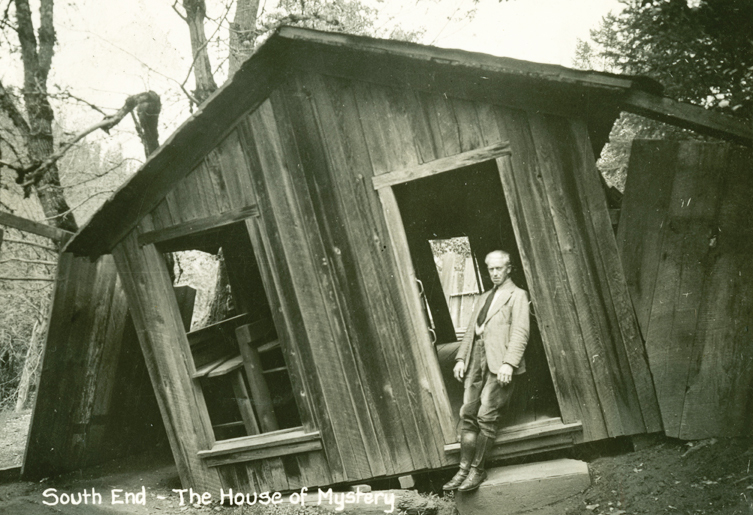
Fig. 2 – John Litster at the House of Mystery (Historical Photo)
Background
The site claims a spherical field of force (half above and half below ground) causes perceptual distortions: apparent height changes when people switch positions, balls rolling uphill, brooms standing on end, and altered equilibrium. Proponents describe it as a genuine gravitational anomaly. Scientific analysis attributes all effects to optical illusions from the severely tilted landscape and distorted reference points, creating forced perspective similar to an Ames room. Investigators, including James Randi, have demonstrated the illusions through measurements and photography. The slanted House of Mystery enhances misperceptions of balance and direction. While entertaining, mainstream science views the phenomena as classic examples of visual deception rather than paranormal or unexplained forces.
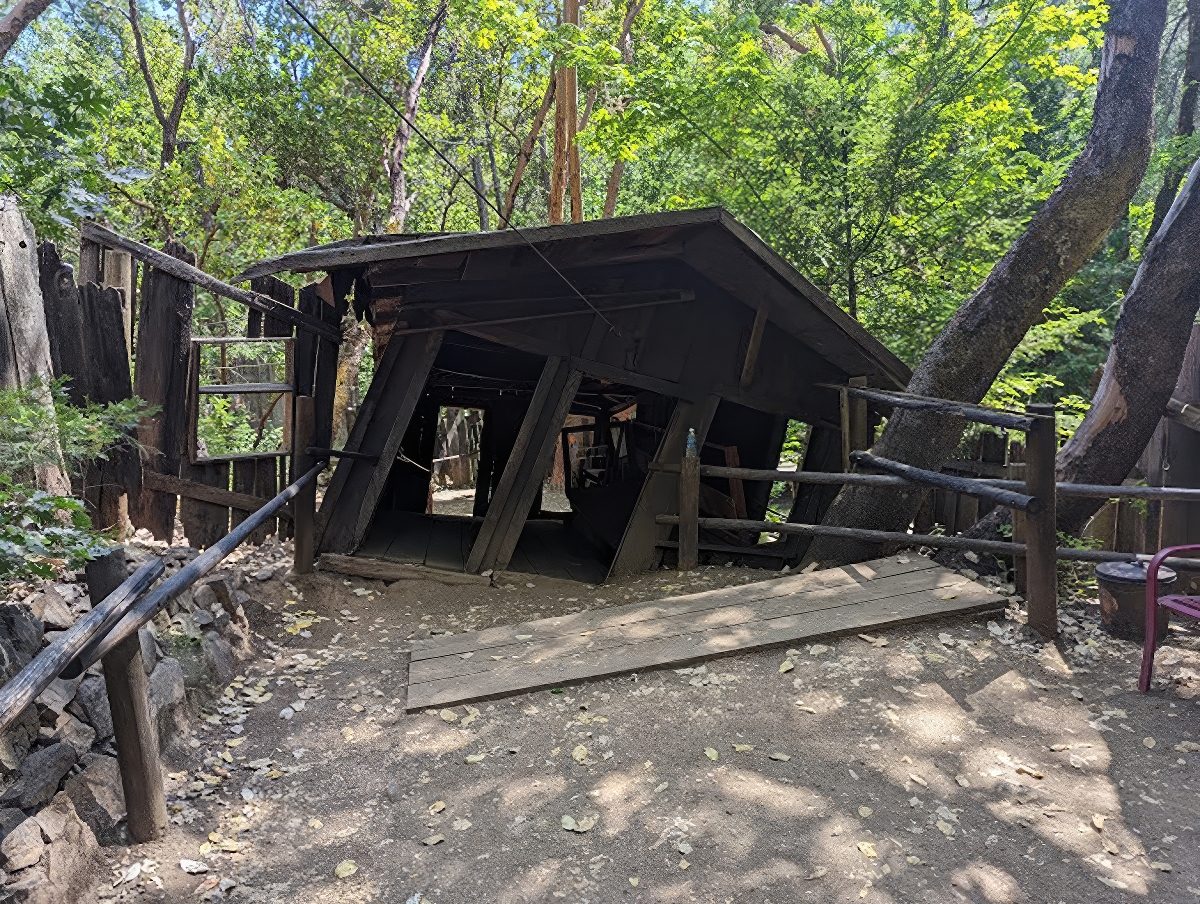
Fig. 3 – The Tilted House of Mystery (Modern Photo)
Alleged Activities
- Guided tours demonstrating height change illusions.
- Objects appearing to roll uphill against gravity.
- Brooms and pendulums balancing or swinging anomalously.
- Visitors experiencing disorientation and leaning effects.
- Photographic evidence of size and perspective distortions.
- Claims of animal avoidance in the vortex area.
- Promotional materials emphasizing natural vortex theory.
- Media appearances and paranormal investigations.
Notable Connections
Key figures include John Litster (founder and promoter), skeptics like James Randi (illusion debunker), and investigators from shows like Fact or Faked. The site inspired the Mystery Shack in Disney’s Gravity Falls. Connections extend to similar mystery spots (e.g., Santa Cruz Mystery Spot) and broader gravity hill phenomena worldwide. Cultural references appear in roadside Americana histories and paranormal media.
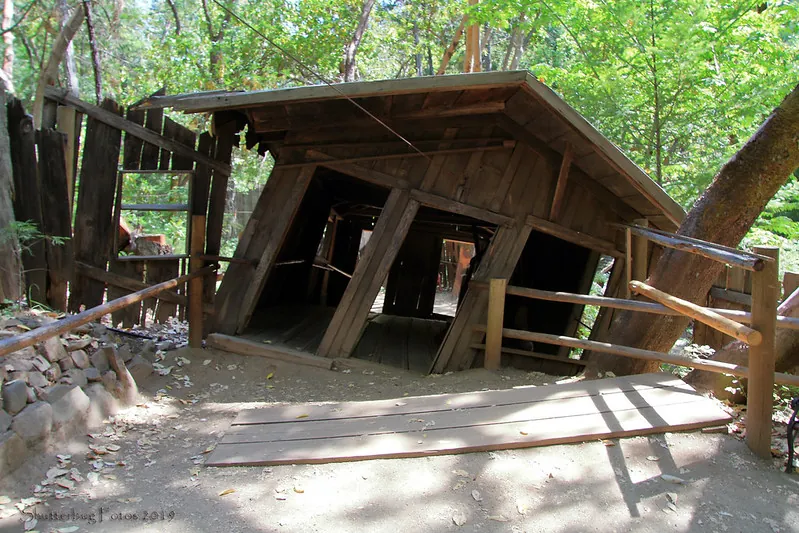
Fig. 4 – Interior Perspective Distortion in the House of Mystery
Ideological Profile
Proponent perspectives emphasize a natural, unexplained vortex force, often tying into Native legends and mystery narratives. Skeptical views focus on optical illusions, tilted environments, and forced perspective, supported by measurements and experiments. Discussions balance entertainment value with scientific explanation.
Influence and Spread
As classic roadside Americana, the Oregon Vortex attracts tourists and media attention, spread through word-of-mouth, TV features, and online videos. It remains a staple of Oregon tourism and inspires similar attractions. Debunkings circulate in skeptical communities and science outlets.
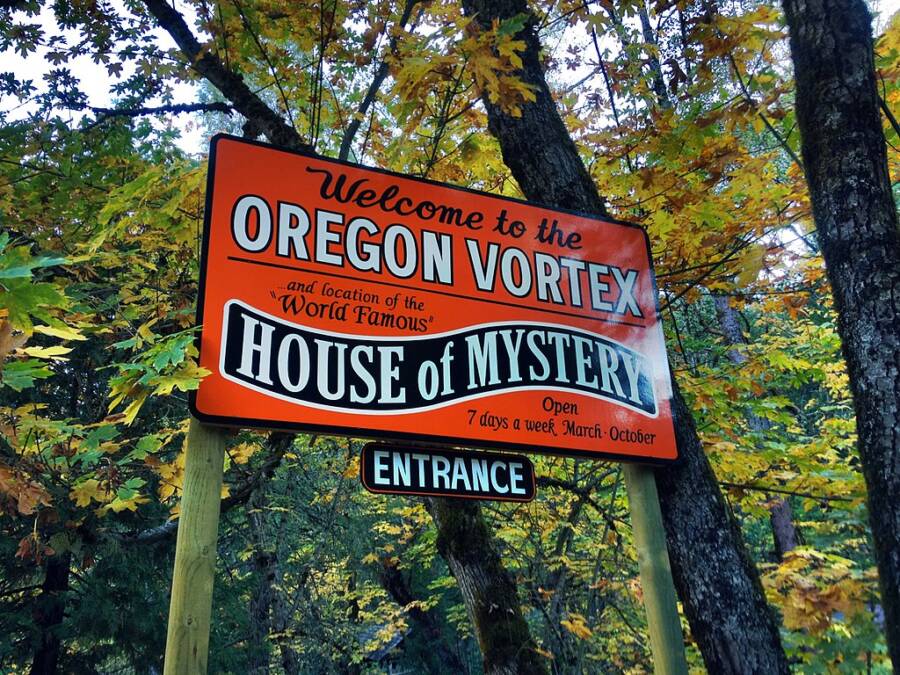
Fig. 5 – Entrance to The Oregon Vortex and House of Mystery
Controversies
- Genuine anomaly vs. deliberate optical illusions.
- Native American legends as evidence vs. promotional folklore.
- Claims of supernatural forces vs. proven tilted terrain effects.
- Litster’s natural phenomenon assertions vs. later lawsuit over similar sites.
- Paranormal interpretations vs. mainstream scientific consensus.
Recent Developments (2026)
As of 2026, The Oregon Vortex continues operating as a popular tourist attraction with guided tours. Media coverage and visitor videos keep discussions alive, while scientific explanations remain widely accepted.

Fig. 6 – Symbolic Representation of Research Materials
Public Speculations and Linked Narratives
Speculations include:
- Gravitational or magnetic vortex causing real distortions.
- Paranormal energies or ancient forbidden forces.
- Links to Native American curses or sacred sites.
- Extraterrestrial or interdimensional influences.
Scientific narratives emphasize well-understood optical and perceptual illusions with no anomalous physics.
Fig. 7 – Illustration of Hypothesis Elements
Status
The Oregon Vortex remains a beloved roadside attraction, fully explained by optical illusions, while maintaining its mysterious allure for visitors.
References
- Wikipedia: Oregon Vortex
- Official Site: The Oregon Vortex and House of Mystery
- Oregon Encyclopedia: Oregon Vortex (House of Mystery)
- IFLScience: The Science Behind The Oregon Vortex Phenomenon
- All That’s Interesting: Inside The Oregon Vortex And House Of Mystery
- That Oregon Life: Inside the Oregon Vortex, a Crooked House That Defies Logic
- Oregonians for Science and Reason: Investigation: Oregon Vortex
- Offbeat Oregon: After 80 years, Oregon Vortex still keeps experts guessing
- Travel Oregon: The Oregon Vortex / House of Mystery
- US Ghost Adventures: The Oregon Vortex and House of Mystery
Last updated: January 31, 2026.


